Core Duties Across Industries
At their foundation, security guards are responsible for protecting people, property, and assets. However, the nature of these responsibilities shifts depending on the environment they’re tasked with securing. In a hospital, the guard might spend the majority of their time managing visitor access and defusing tense moments in waiting rooms. At a construction site, their focus could revolve around preventing theft and enforcing safety compliance after hours.
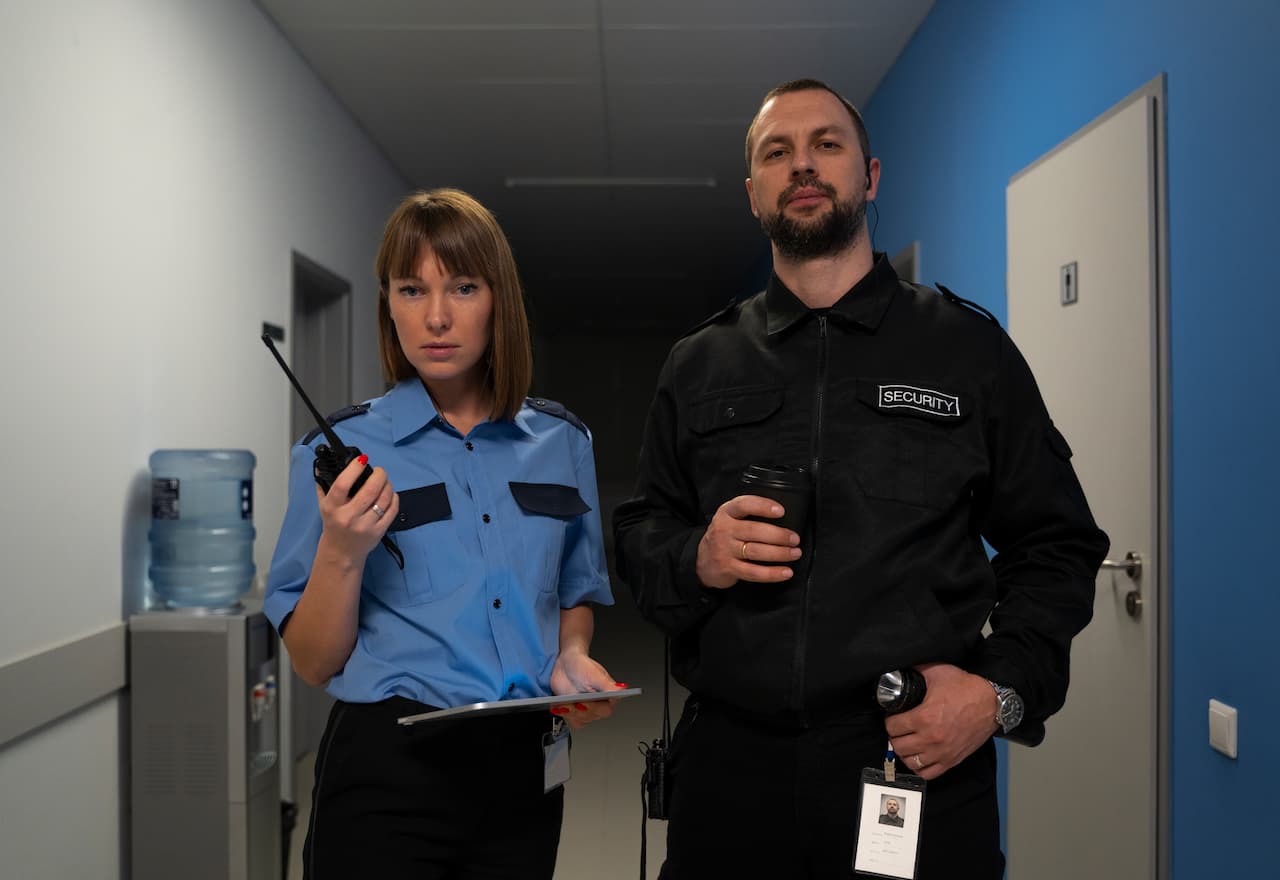
Patrolling designated areas—on foot, by vehicle, or through surveillance—is a daily ritual. These patrols are not just about presence but about detection. A slightly ajar back door, a malfunctioning lock, an unfamiliar vehicle idling in the wrong area—all of these are cues that experienced guards pick up on instantly. Their effectiveness lies in seeing what others overlook.
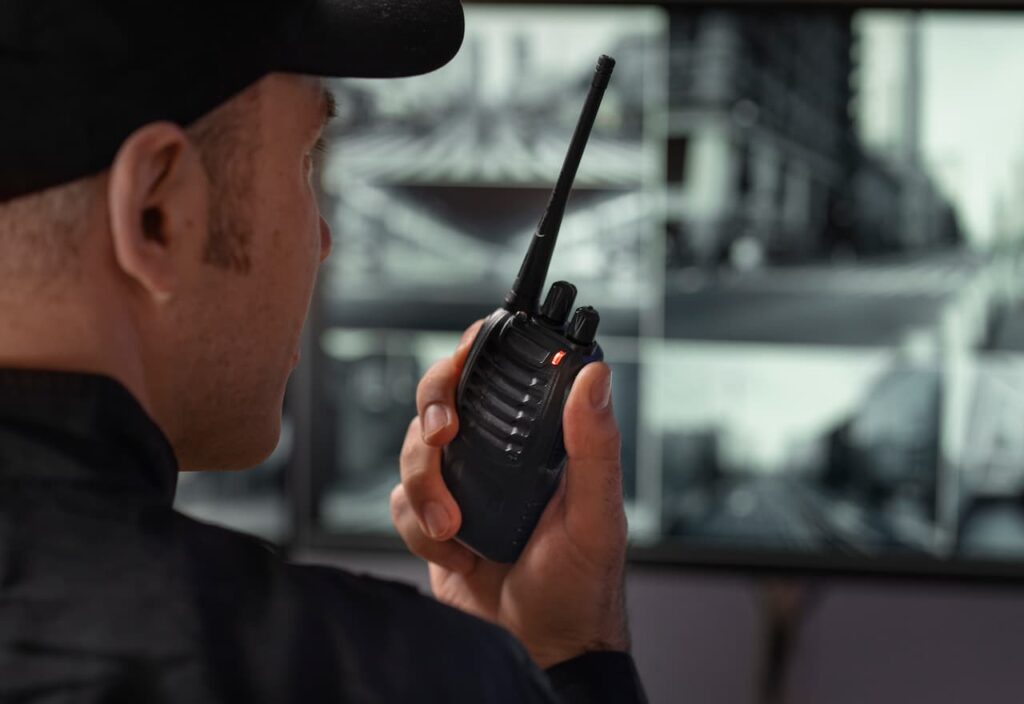
In retail settings, guards often serve dual functions. Not only do they deter theft by their presence, but they also work closely with loss prevention teams. This includes monitoring closed-circuit television systems, shadowing suspicious individuals discreetly, and ensuring protocols are followed during high-traffic hours or special events.
Corporate buildings rely on guards to manage entry points, check credentials, issue visitor badges, and monitor electronic access systems. While this may seem administrative on the surface, it plays a key role in safeguarding company data, intellectual property, and personnel.
Emergency Response & Incident Management
Security guards are often the first responders in a wide variety of emergencies, ranging from medical incidents to fires, break-ins, and disruptive behavior. Their training prepares them to remain calm, assess situations quickly, and respond within the boundaries of the law and company policy.
In many instances, guards are also responsible for documenting incidents thoroughly. Writing detailed reports not only supports internal investigations but can also be vital if law enforcement or insurance companies get involved. These reports require accuracy, professionalism, and neutrality.
It’s not just about reacting. Great guards are proactive. They notice the door that won’t latch properly, the light in the stairwell that’s gone out, or the person pacing near the rear entrance at odd hours. These small details, when caught early, prevent larger problems.
Customer Service as a Security Tool
An often-overlooked part of the job is how much customer service is embedded in the guard’s day-to-day role. Particularly in residential buildings, corporate lobbies, and event venues, security guards are frequently the first and last point of contact for visitors.
This front-facing role means guards must be articulate, approachable, and prepared to answer questions or offer assistance while maintaining control of the environment. A guard who can give directions or respond politely under pressure plays a huge role in shaping perceptions of a business or venue.
Customer service also serves a strategic function: a polite and professional demeanor can defuse tense situations before they escalate. In environments where tensions run high—like emergency rooms, eviction processes, or crowded nightclubs—this skill is invaluable.
Collaboration With Law Enforcement and Internal Teams
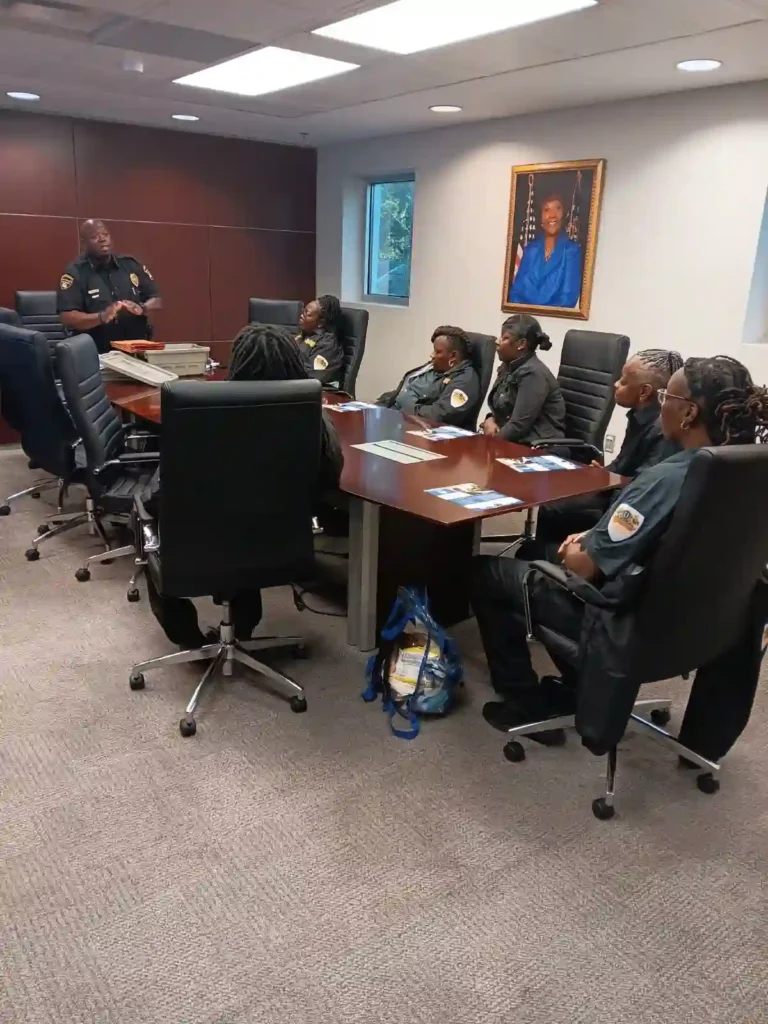
Security guards often serve as the link between their employer and outside emergency services. If police, fire, or EMTs are called, guards typically brief them upon arrival. This means they must maintain accurate logs, possess good communication skills, and understand the flow of information within chain-of-command protocols.
Internally, guards work closely with HR departments, facilities management, IT, and executive leadership. Whether it’s managing visitor access, escorting terminated employees off the premises, or supporting investigations into workplace incidents, the role often extends beyond security and into operations.
Staying Sharp in a Changing Landscape
Security threats don’t look the same today as they did a decade ago. As technology has evolved, so has the scope of what guards are expected to monitor and control. From cybersecurity integrations in physical spaces to managing drone activity or AI-powered surveillance feeds, modern guards must adapt continuously.
This calls for ongoing training, not just in physical tactics but in tech fluency and legal literacy. Guards need to stay current with evolving regulations on privacy, data protection, and use-of-force laws. Many also pursue additional certifications in areas like CPR/first aid, de-escalation techniques, and even public relations.
Security Work Isn’t One-Size-Fits-All
Each assignment brings unique demands, and the best security professionals know how to adapt accordingly. Some work solo on overnight shifts at warehouses, while others are part of large teams providing concert security. Some monitor cameras for twelve hours straight, while others engage in active patrols across sprawling campuses. There’s no single blueprint.
Still, the common thread is vigilance. Whether protecting lives, property, or the smooth function of day-to-day business operations, guards remain vital behind the scenes. They carry the weight of anticipation, of being ready before something happens and knowing what to do when it does.
Secure Your Place in a Critical Industry
Being a security guard isn’t about standing still and watching, it’s about anticipating, reacting, protecting, and representing. It’s a profession that calls for alertness, discretion, and professionalism every single shift.
Whether you’re just exploring the field or already taking your first steps, understanding the daily realities of the role helps set your expectations and goals. For those who thrive in a role where they can truly make a difference, security work offers a unique blend of stability, responsibility, and purpose.
If you’re ready to take that next step, Universal Security Guard Association can help guide your path. We don’t just train and license, we help professionals build meaningful careers.
Start with the right knowledge, join the right team, and take your future seriously. Reach out today.