
Security threats today are not only diverse but unpredictable. A locked back door might look secure until it becomes the point of entry for a break-in. A parking lot might seem calm until a loiterer escalates into a liability. Static guards have long served as the mainstay of business security, but mobile patrols introduce a new level of deterrence, responsiveness, and cost-efficiency that gives them an edge for certain environments. Understanding how mobile patrols work—and when to use them—is critical to protecting people, property, and peace of mind.
A Day in the Life of a Mobile Patrol
Unlike static guards who are assigned to one position, mobile patrol officers cover multiple locations or wider areas on a rotating schedule. Their routine might involve driving a marked security vehicle through a gated community at night, walking perimeter checks around a logistics hub, or conducting random inspections at an office park. These patrols are structured but intentionally unpredictable in timing, which enhances their deterrent value.
While on patrol, officers look for signs of suspicious behavior, unsecured doors or windows, vandalism, lighting issues, and safety hazards. They document their rounds through real-time reporting software, often using GPS-verified logs and timestamped photos. This not only ensures accountability but also allows clients to see exactly what was inspected and when.
Beyond just observation, patrol officers are also trained to respond. If they notice a disturbance, they’re the first point of intervention. That could mean escorting an unauthorized individual off the premises, calling emergency services, or locking down part of a facility based on company protocol. Their role requires quick thinking, discretion, and the ability to act decisively without escalating risk unnecessarily.
Versatility Across Property Types
Mobile patrols are not a one-size-fits-all solution, but they shine in a range of scenarios where coverage is needed but full-time, on-site guards may not be practical or budget-friendly.
In retail centers, patrol vehicles can cover large parking lots, check for after-hours activity, and maintain a visible presence to discourage theft and vandalism. In industrial zones or warehouses, especially those operating on tight margins, mobile patrols can secure perimeters and loading docks while keeping costs contained. For residential communities, mobile patrols serve as both a protective force and a reassurance to residents, particularly during overnight hours.
Construction sites, often vulnerable to equipment theft and trespassing, benefit significantly from mobile patrols who can monitor for breaches and coordinate rapid responses. Even institutions like schools and churches, which may not require round-the-clock coverage, can use patrol services for after-hours protection or to monitor special events.
Cost-Effectiveness Without Cutting Corners
One of the key advantages of mobile patrols is economic. Hiring static guards for every potential entry point or vulnerable zone can quickly become prohibitively expensive, particularly for businesses operating across multiple sites or large areas. Mobile patrols, by design, cover more ground with fewer personnel, offering savings without compromising vigilance.
The ability to scale service frequency up or down also adds to their cost-efficiency. Need only nightly lockup and perimeter checks? That can be arranged. Prefer multiple sweeps during high-risk timeframes? Also possible. This flexibility makes it easier to align security services with budget cycles, peak business seasons, or after-incident strategy revisions.
And it’s not just about cost, mobile patrols add measurable value. The visual presence of a branded security vehicle circling your lot sends a powerful signal to potential intruders or loiterers. The unpredictability of patrol times makes it harder for bad actors to plan around them. And when patrols are paired with smart tech like motion sensors or remote cameras, the results are even stronger.
Accountability and Modern Technology
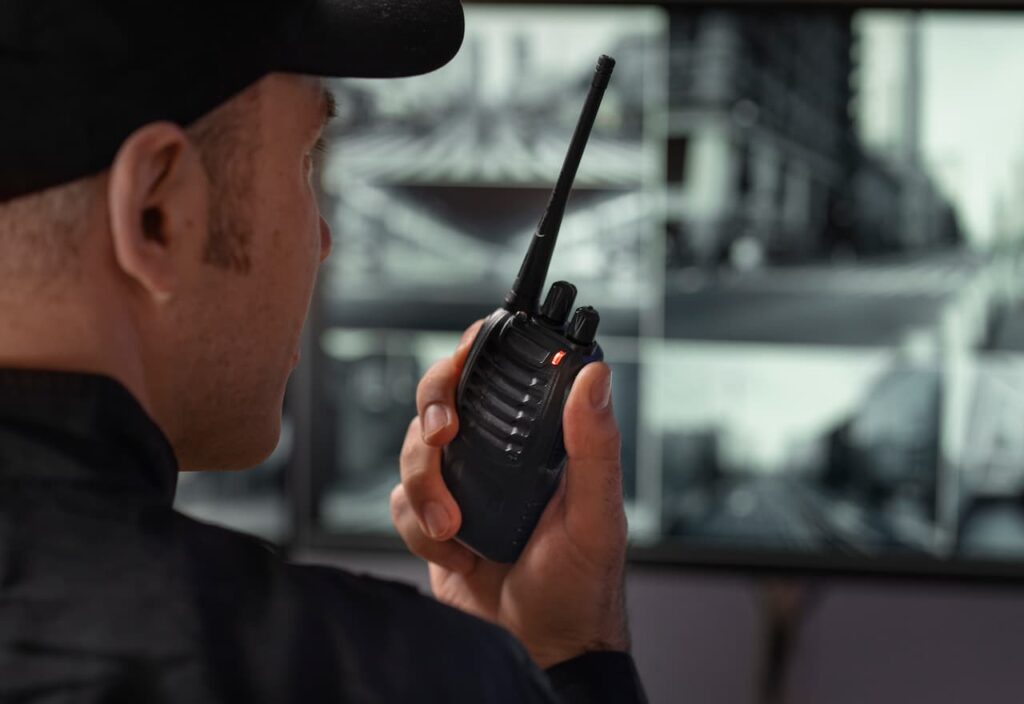
Accountability is critical in modern security, and mobile patrols are leading the charge in transparency. Most services now provide digital proof of patrols, including GPS tracking, digital checkpoints, and mobile reporting apps that allow guards to upload incident logs in real time.
This data isn’t just for show. It allows for security auditing, insurance compliance, and fast adjustments to patrol schedules or routes. Clients can receive daily or weekly reports detailing guard activities, notable observations, and any incidents requiring follow-up. In the event of an insurance claim or police investigation, this documentation can prove invaluable.
Furthermore, mobile patrols are increasingly integrated into broader security ecosystems. A guard might receive a motion sensor alert from the back fence of a client property, check the location on their mobile dashboard, and drive straight there. Others may work alongside drones, thermal cameras, or remote monitoring centers to close the gap between detection and response.
Human Presence Still Matters
While technology plays a growing role in security, the human element remains irreplaceable. Cameras can record, sensors can detect, and AI can analyze, but only a trained human can interpret context, make judgment calls, and engage directly when needed. Mobile patrols combine both human and technological strengths, making them a cornerstone of modern hybrid security strategies.
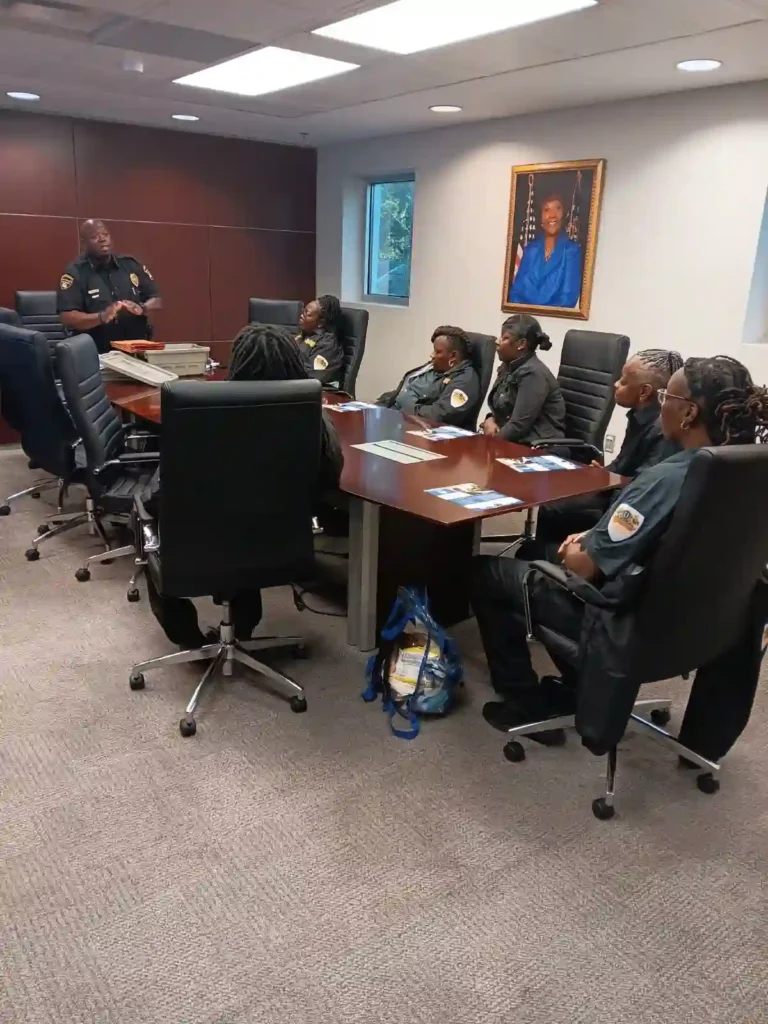
Guards are trained not just in observation and emergency response, but also in customer interaction. Whether it’s answering a question from a late-working employee or calmly de-escalating a dispute in a parking lot, their ability to engage professionally matters. These moments contribute to your business’s reputation, tenant satisfaction, or customer loyalty in ways that go beyond traditional security metrics.
Transitioning From Static to Mobile
For businesses currently using static guards, the idea of switching to mobile patrols may seem like a step back in coverage. But when done strategically, it’s often a step forward in efficiency. Many security firms offer hybrid models, where a static guard handles a central position (like a reception desk or main gate), while mobile patrols monitor the broader grounds.
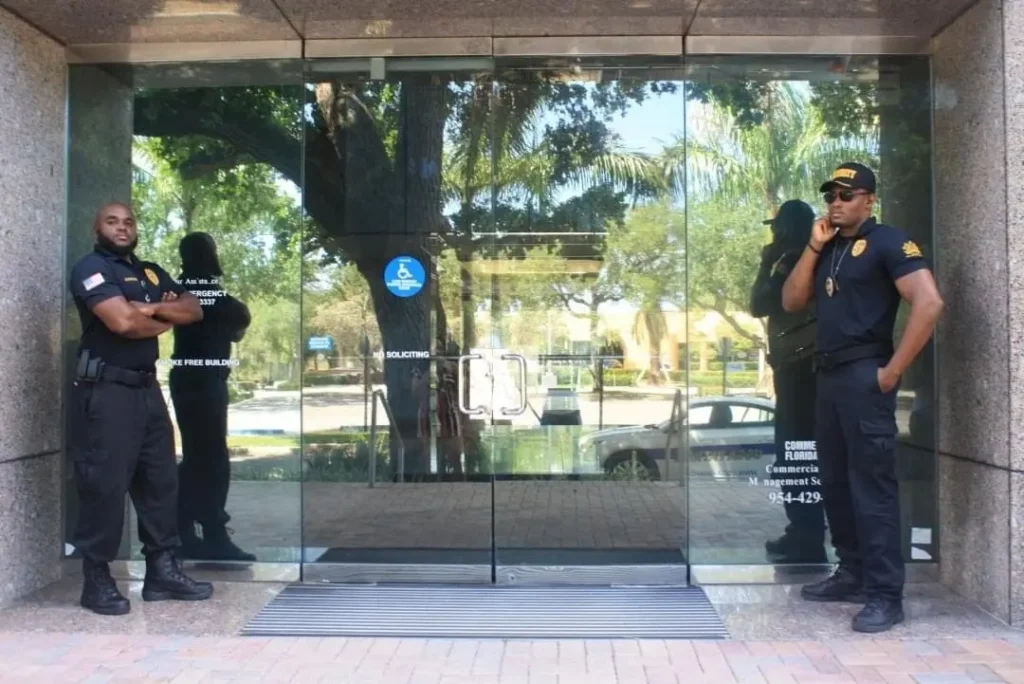
This blended approach ensures high-visibility coverage where needed while controlling costs and expanding reach. It also allows for more flexible staffing models and backup options in emergencies. For example, if an on-site guard is tied up dealing with an incident, a mobile unit can be dispatched to assist within minutes.
Planning the transition requires a site-specific analysis, consideration of historical security incidents, and a clear understanding of access points, lighting, blind spots, and local crime trends. The best security providers will walk through these details with you and customize a patrol schedule that makes strategic sense.
Secure Smarter, Not Just Harder
Security is no longer just about standing guard, it’s about mobility, adaptability, and strategic coverage. Mobile patrol security checks all these boxes, offering a smart, scalable solution that evolves with your business needs. It’s about showing presence where it counts and having professionals on the move, watching, responding, and supporting your environment in real time.
Whether you’re looking to upgrade your current approach, explore budget-conscious alternatives, or strengthen your security posture in a targeted way, mobile patrols deliver more than coverage, they provide confidence.
Universal Security Guard Association specializes in mobile patrol strategies that match your risk profile, property layout, and operational hours. Talk to us today and discover how a patrol-first security model can help protect what matters most.