Hospital security practices extend far beyond just locking doors or having a guard at the front desk. Effective systems are built around real human risk, disruptive visitors, unauthorized access, patient elopement, data breaches, and even potential violence. It’s not about preparing for the worst-case scenario once. It’s about creating a culture and framework that anticipates risk every day and responds before small issues spiral into major incidents.
That’s why hospitals across the country are investing in strategic security protocols tailored to healthcare’s unique challenges. Whether it’s a small community clinic or a major medical center, the same core principles apply: visibility, responsiveness, prevention, and trust.
Understanding the Unique Challenges of Healthcare Security
Hospitals operate differently than nearly any other business. They’re public-facing but private in function. There are critical boundaries between areas that must remain open (like emergency rooms) and those that must remain tightly secured (like neonatal units or pharmacies). Staff must have easy movement between departments, yet access must still be regulated to protect patient safety.
Security in these environments is tasked with balancing freedom of movement with necessary controls. Adding to this complexity are patients in crisis, emotionally overwhelmed visitors, and external societal challenges like drug use, mental health instability, and aggressive behavior toward frontline staff. These aren’t hypotheticals, they’re daily realities.
Then there’s data. Protected Health Information (PHI) and electronic medical records (EMR) must be safeguarded from internal and external threats. Cybersecurity protocols work in tandem with physical security to create an integrated shield.
Key Components of Hospital Security Protocols
There is no one-size-fits-all security model for healthcare, but certain best practices show up across all high-performing institutions.
- Access Control Systems: Modern hospitals rely on electronic access control to limit entry to restricted areas. Badge systems, keycards, and biometric readers allow staff to move efficiently while ensuring that sensitive zones stay protected. Many systems also integrate lockdown capabilities for active threat scenarios.
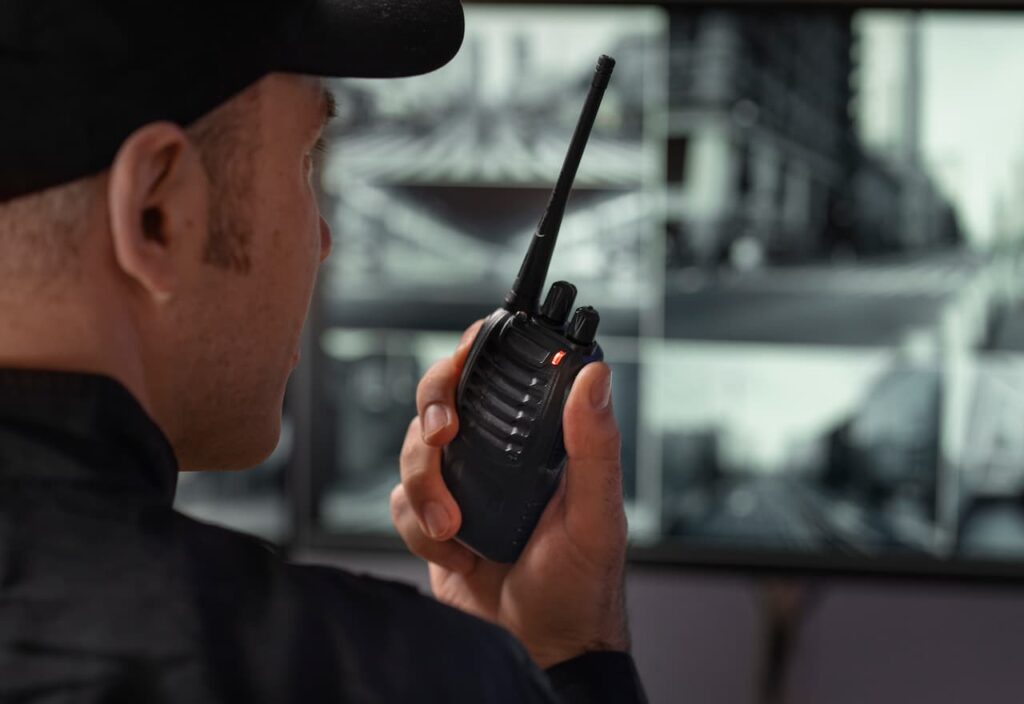
- Video Surveillance: CCTV is more than a deterrent it’s a tool for incident documentation and real-time monitoring. Cameras placed at entrances, exits, corridors, and high-risk departments offer security teams a wide lens to assess situations quickly and react appropriately.
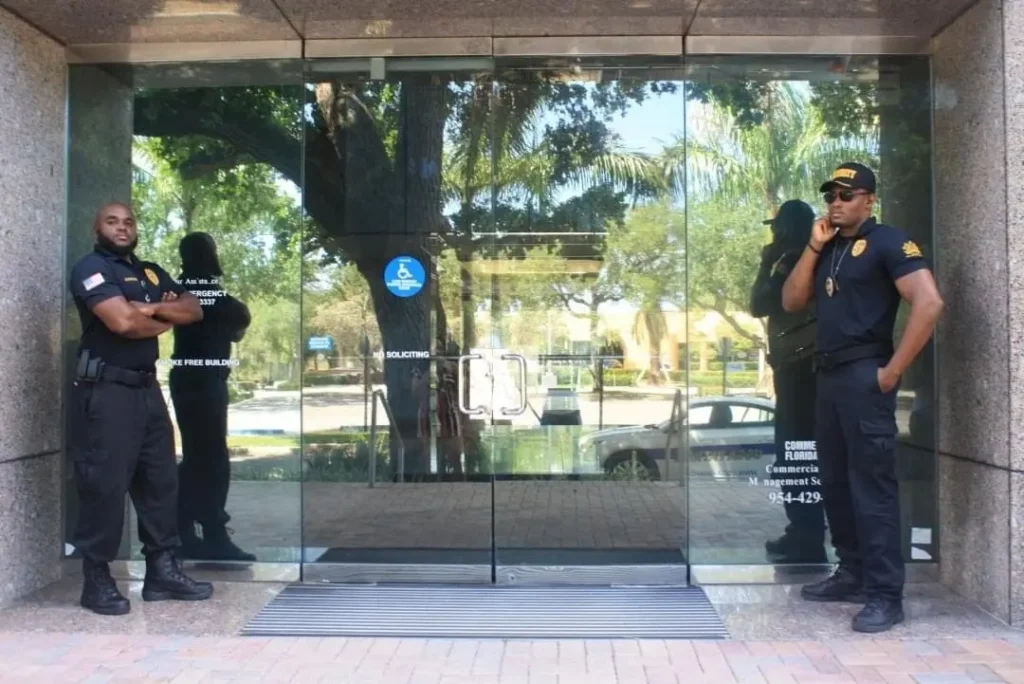
- Uniformed Security Officers: A visible, professional security presence does more than prevent incidents. It reassures patients and staff and serves as a first line of intervention when disruptions occur. Officers in hospital settings receive specialized training in de-escalation, patient interaction, and emergency response.
- Emergency Response Planning: From fire drills to active shooter protocols, a robust emergency preparedness plan is essential. Staff should be trained to know their roles during crises, and security should be integrated into all aspects of disaster readiness.
- Visitor Management: Sign-in procedures, visitor badges, and check-in points ensure that those entering patient areas are authorized. Technology can automate this process, but human oversight remains key.
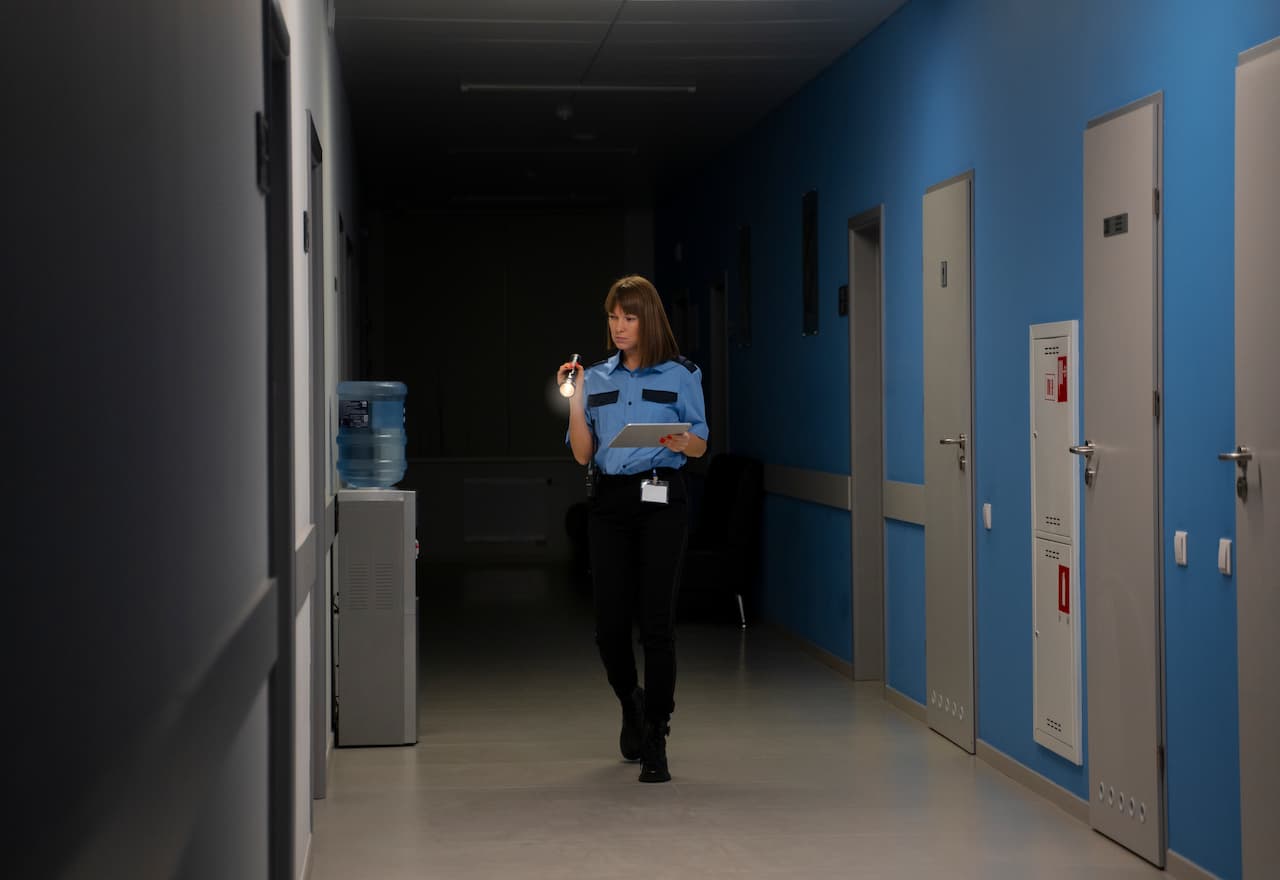
- Pharmacy and Supply Protection: Narcotics, high-value equipment, and medical supplies are often targets for theft. Security audits, limited-access storage, and after-hours patrols help mitigate this risk.
Staff Collaboration and Culture
Security doesn’t operate in a silo. Nurses, administrative staff, custodians, and clinicians all have roles in keeping a facility safe. The most successful hospitals foster a culture where staff feel empowered to report suspicious activity, understand evacuation plans, and engage in conflict prevention.
Ongoing training and communication are essential. Security teams must stay visible and approachable, working not only as protectors but as partners in daily hospital life. Regular briefings, open feedback loops, and a unified mission all contribute to stronger outcomes.
When hospital staff and security are aligned, even high-stress situations like a combative patient or an emotionally distressed family member can be resolved with professionalism and calm.
Tech Integration: Smarter Systems, Safer Spaces
Security tech in hospitals is evolving rapidly. Many systems now offer integrated platforms where surveillance, access control, alarms, and even patient monitoring coexist. Dashboards allow security leaders to oversee incidents across multiple buildings or floors in real time.
AI-powered video analytics can flag suspicious behavior, while mobile patrol officers use GPS and reporting apps to share updates instantly. Some hospitals are also leveraging panic buttons, wearable alerts, and body-worn cameras for additional layers of security.
Integration doesn’t just improve efficiency. It makes response times faster, documentation more accurate, and security more proactive.
Real-World Applications: Scenarios and Solutions
A late-night visitor refuses to leave. A patient with memory issues tries to exit the facility. An employee reports missing medication from a cart. These are the types of situations hospital security handles daily.
In each case, the combination of trained personnel, access controls, and surveillance allows for a quick, coordinated response. Perhaps the visitor is gently escorted out after staff verification. The wandering patient is redirected safely. A theft investigation begins with camera review and staff interviews.
These moments rarely make headlines, but they represent the effectiveness of a well-structured system. And when larger emergencies do occur, this day-to-day foundation becomes the backbone of crisis response.
Why It Matters Now More Than Ever
Today’s healthcare facilities face rising security risks. From workplace violence to cyber threats, the vulnerabilities are real and evolving. Patients are more diverse in their needs, staff are under increased pressure, and the public’s expectations for safety have never been higher.
That’s why proactive investment in security protocols is essential, not as a reaction to incidents, but as a core part of hospital operations. The goal isn’t just to deter harm but to create a space where healing happens without fear.
Whether you’re managing a community hospital, behavioral health center, or multi-site medical campus, your security plan should reflect the complexity of the people and services you protect.
Secure Your Facility with Confidence
Security is a constant in healthcare, it’s always on. And the hospitals that embrace this mindset set the tone for calm, safe, and efficient care. By implementing the right protocols, investing in smart technology, and fostering collaboration across departments, your facility can meet today’s challenges head-on.
At Universal Security Guard Association, we specialize in custom healthcare security strategies tailored to your facility’s specific footprint and risk profile. Whether you’re evaluating your current systems or building a plan from the ground up, we’re ready to partner with you.
Let’s strengthen your hospital’s security infrastructure, so your staff can focus on what matters most: care. Contact us today to start the conversation.