Why Training Is a Necessity, Not an Option
Security work has evolved. Guards are no longer passive observers. Today’s expectations include real-time problem-solving, customer service, detailed reporting, and emergency response. In commercial and public environments alike, guards are often the first to spot trouble, and the first expected to respond.
That’s why training matters. In Florida, the state has recognized this reality and built a system that requires aspiring guards to earn their license through accredited education. This process weeds out underprepared candidates and sets a clear bar for entry.
Understanding Florida’s Security Licenses
Florida issues two major types of licenses for security guards: the Class D license for unarmed guards, and the Class G license for those authorized to carry firearms. The majority of new professionals start with the Class D license, which opens the door to work in most settings, from hospitals to retail centers.
For higher-risk environments, such as banks or executive protection details, the Class G license is often required. This license involves more extensive vetting and firearms training. Importantly, you can’t earn a Class G without first qualifying for a Class D, or completing both processes at once.
Earning a Class D License
To begin the process, candidates must be at least 18 years old, legally authorized to work in the U.S., and capable of fulfilling the physical and mental demands of the job. While the eligibility may seem broad, the training is anything but superficial.
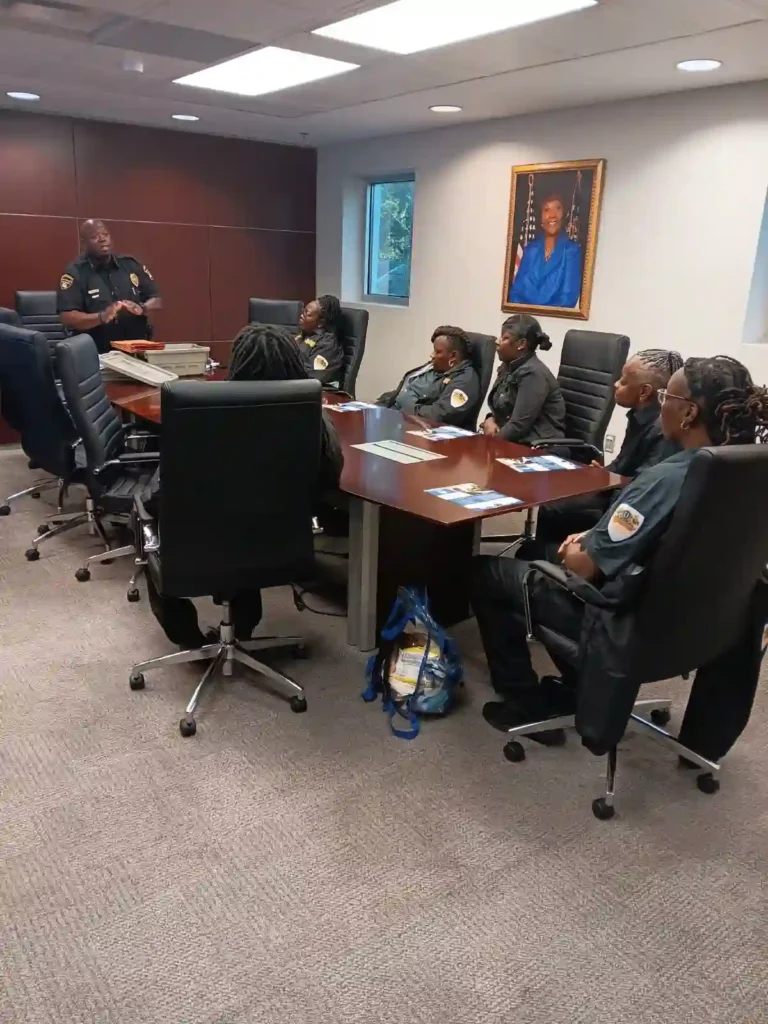
Florida mandates 40 hours of instruction through a licensed training facility. This coursework covers legal guidelines, report writing, ethics, patrol techniques, emergency procedures, and more. Instruction is generally conducted in-person, spread out over several days to give students time to absorb and apply the material.
Once training is complete, candidates apply through the Florida Division of Licensing. Fingerprinting, a background check, and licensing fees are part of the process. Some applicants qualify for temporary licenses, which allow them to begin working while final approval is underway.
Moving Into Armed Security Roles
For those seeking higher responsibility or access to more specialized posts, the Class G license is the next step. This license demands an additional 28-hour firearms course, taught by state-certified instructors. The curriculum covers safe handling, legal use of force, tactical judgment, and marksmanship, capped by a live-fire qualification.
Applicants must be 21 or older and pass a background check. Annual firearm requalification is also required to maintain the license. Those who pursue this path often find themselves eligible for a broader range of assignments, and often, higher pay.
Renewals and Continuing Education
Both Class D and Class G licenses must be renewed every two years. Armed guards must also complete annual firearms requalification. Staying licensed isn’t difficult, but it does require attention to deadlines and a commitment to ongoing professional development.
Many employers and agencies go beyond the basics, offering or requiring additional courses in areas like CPR, defensive tactics, or active shooter response. These skills not only sharpen a guard’s preparedness but also strengthen team coordination and individual confidence.
How to Choose the Right Training Program
Finding a reputable training provider is just as important as completing the hours. Not all courses offer the same value. Seek out programs that are state-approved, have experienced instructors, and provide hands-on learning opportunities, not just lectures.
A good program doesn’t just teach you what to do. It teaches you why. It introduces you to the mindset and responsibility of the job. That’s the kind of foundation that employers notice, and that leads to long-term career growth.
What Sets Candidates Apart
Getting licensed is the first milestone. But the most successful guards bring more than just a certificate. Employers consistently look for qualities like punctuality, clear communication, calm under pressure, and a sense of ethics. You’re not just a presence, you’re a representative of safety.
Security guards often work alone, manage unexpected issues, and must balance assertiveness with restraint. Training can guide those instincts, but the best professionals take pride in their awareness and adaptability. These soft skills can make the difference between getting hired, and being remembered.
Growth Opportunities in Security
Security isn’t a static role. With experience and continued training, guards can move into positions such as site supervisor, field training officer, or even security manager. Some go on to work in private investigations, law enforcement, or executive protection.
Those willing to invest in their own development find that security offers not only stability, but also flexibility. You can build a career that aligns with your goals, whether that’s staying in one location or branching into specialized, mobile, or tactical roles.
Start Your Security Career With Confidence
Security is more than a job, it’s a public trust. Those who wear the uniform are expected to represent order, safety, and calm in uncertain situations. That kind of responsibility starts with proper training.
At Universal Security Guard Association, we believe in raising the standard. We support our guards from day one, offering access to licensed training partners, mentorship opportunities, and real assignments that match your goals. Our teams include both new entrants and seasoned professionals, united by a shared commitment to doing the job right.
If you’re ready to begin your career in Florida’s growing security industry, don’t take shortcuts. Take the first step with a company that invests in your future.
Reach out to Universal Security Guard Association today, and start with the right foundation.