
The costs of weak site security go far beyond missing tools. Delays, liability issues, increased insurance premiums, and even reputational damage can follow a single breach. In areas where construction theft is rising, a proactive security plan isn’t just responsible, it’s essential. That’s where a combination of strategic planning, layered systems, and experienced personnel comes in. Construction site security isn’t a one-size-fits-all checklist. It’s a tailored approach that evolves with your site.
At Universal Security Guard Association, we’ve worked across all types of construction environments, urban, rural, residential, commercial. The most successful operations don’t wait for an incident to take action. They build a security culture from day one. Here’s how it’s done.
The Most Common Risks to Construction Sites
Understanding what you’re protecting against is step one. Construction sites face a mix of internal and external threats, many of which are opportunistic.
- Theft and Vandalism: Expensive machinery, copper wiring, tools, and appliances are frequent targets. Thieves often strike at night or over weekends when no crews are present.
- Trespassing and Liability: Unsecured perimeters can attract curious bystanders, thrill-seekers, or squatters. If someone gets hurt on your site even if they weren’t authorized to be there you could be liable.
- Unauthorized Access and Sabotage: Competing contractors, disgruntled workers, or even activists can enter a site to cause disruption.
- Workplace Safety Compromises: When unauthorized people are on site, even unintentionally, they can interfere with workflows, cause confusion, or create hazardous situations.
- Arson and Deliberate Damage: Some cases go beyond theft and involve setting fires or destroying progress, especially in projects facing community opposition or legal disputes.
Each of these risks increases the longer a site goes without visible, professional security measures.
Building a Comprehensive Security Plan
Construction security starts with one key mindset: prevention over reaction. While it’s tempting to simply fence off the area and call it a day, effective protection requires a layered strategy.
- Perimeter Protection: Fencing is the first line of defense. Make sure it’s durable, tall enough to deter climbing, and checked regularly for breaches. Where fencing alone isn’t enough, deploy mobile barriers or vehicle deterrents.
- Access Control: Establish controlled entry points. Badging systems, gate personnel, and vehicle logs help keep track of who is on-site and when. For large projects, consider digital check-ins to streamline access.
- Surveillance: CCTV systems can do more than watch they can prevent. Cameras with motion detection, night vision, and real-time alerts help your team stay proactive. Signs warning of surveillance act as deterrents, too.
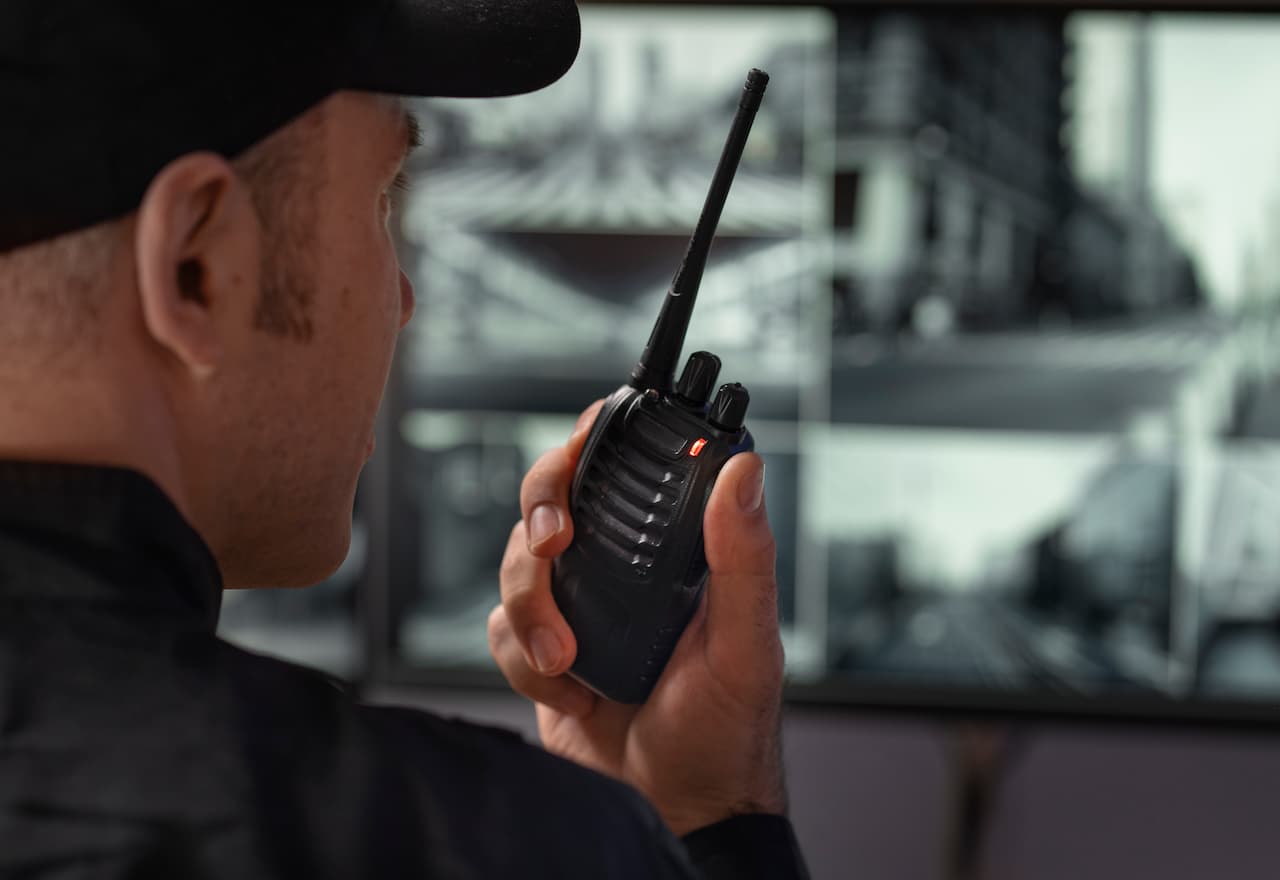
- On-Site Security Personnel: Uniformed guards provide both a visible deterrent and an immediate response capability. Trained officers conduct regular patrols, monitor surveillance feeds, report safety issues, and liaise with project leads.
- Lighting: A well-lit site is a safer site. Strategic lighting around entry points, storage areas, and pathways not only reduces accidents but discourages trespassers.
- Equipment Lock-Up: Don’t leave tools and machinery out overnight. Use lockboxes, immobilizers, or secure containers for high-value items. For large machinery, consider GPS tracking.
The Role of Mobile Patrols on Construction Sites
For many sites, especially those with large perimeters or multiple phases of development, static security isn’t enough. That’s where mobile patrol units come into play.
Patrol officers can cover wide areas efficiently, check in on vulnerable zones, and respond quickly to any disturbances. Their presence is less predictable than static guards, which increases deterrent value. Some patrols are on foot, others in vehicles, and some combine both.
Officers document their rounds, report hazards, and often assist with site access during non-standard hours. With GPS-enabled tracking, supervisors can review routes and response times, ensuring accountability.
Training and Coordination: The Human Element
Technology can’t replace trained professionals. Construction security officers must understand not only general guard protocols but also site-specific needs.
This means being familiar with:
- The layout and progression of the build
- Hazardous areas and how to report them
- Emergency evacuation protocols
- De-escalation techniques for trespassers
Great security officers build relationships with site supervisors, understand workflow dynamics, and become a valuable part of the project team. They don’t just guard, they support project efficiency by helping maintain a stable, orderly environment.
Legal and Insurance Implications
Security failures can have costly legal repercussions. Injuries, theft, and delays often result in lawsuits or insurance claims. A well-documented security plan helps mitigate liability and can even reduce insurance premiums.
Security logs, surveillance footage, access records, and incident reports serve as critical documentation in the event of an investigation. Partnering with a licensed, bonded, and insured security firm adds a layer of professional credibility.
Technology in Construction Site Security
Today’s security isn’t just boots on the ground. It’s tech-driven and smarter than ever.
Remote Monitoring: Central command centers can watch your site 24/7 via cloud-based CCTV platforms, alerting on-site officers or law enforcement in real time.
AI and Analytics: Some systems can now detect loitering, movement after hours, or attempts to tamper with equipment. AI-driven alerts reduce false alarms and improve response precision.
Drones and Aerial Surveillance: Especially for large or multi-phase projects, drone footage offers an aerial perspective that’s hard to match. It’s also valuable for progress reporting and incident reconstruction.
Mobile Apps and Dashboards: Supervisors can track patrols, log incidents, review footage, and manage reports from a centralized digital platform.
The right mix of people and technology creates a comprehensive barrier against risk.
Real-World Scenarios and Solutions
Picture this: Over a long weekend, your crew returns to find missing copper wiring and graffiti on a newly framed wall. There’s no footage and no logs. That loss isn’t just about materialsn it’s lost time, insurance headaches, and a frustrated client.
Now picture a different outcome. A guard on overnight patrol notices unusual activity and intercepts trespassers before any damage is done. A full report is filed, law enforcement is looped in, and work resumes Monday as planned.
The difference? Preparedness and presence.
Construction sites are fast-moving environments, and problems escalate quickly. But when security is woven into the project plan from day one, the results speak for themselves.
Make Security Part of the Plan, Not an Afterthought
Construction success isn’t just about speed or design. It’s about control, and nothing supports that better than a solid security infrastructure. When you integrate protection measures into your timeline and budget from day one, you prevent more than loss. You protect momentum.
At Universal Security Guard Association, we build tailored construction security programs based on your site’s size, scope, and budget. From short-term patrols to multi-phase protection plans, our officers understand the realities of your worksite and adapt to every shift.
Ready to get proactive about construction security? Contact us today, and let’s design a protection strategy that keeps your project on track, on budget, and uninterrupted.