Start With the Basics: Understanding the Event Profile
The first step in event security isn’t tactical; it’s strategic. You need to know what you’re protecting, who you’re protecting, and what kind of dynamics you’re walking into. This starts by answering a few key questions:
- What type of event is it? Public, private, corporate, ticketed?
- Where is it taking place? Indoors, outdoors, multiple venues?
- How many people are expected? Is the crowd concentrated or dispersed?
- Are there VIPs, performers, or high-profile attendees?
- What are the most valuable assets on-site? Cash, equipment, data, property?
- What kind of risks are realistic for this type of event? Crowd behavior, protestors, weather, theft?
From there, you can begin designing a layered security model that adapts as your event moves through different phases: setup, active hours, and breakdown.
Pre-Event Planning: The Invisible Prep Work
Good security starts before the doors open. Here’s what must happen behind the scenes:
Risk Assessment: Conduct a site walkthrough and identify key vulnerabilities. These may include unsecured entry points, poor lighting, high-traffic zones, or emergency egress concerns.
Permits and Regulations: Ensure compliance with local ordinances, especially if armed security, crowd control barriers, or surveillance equipment will be used.
Team Assignments: Define the structure of your security team. Who’s in charge? Who handles communications, medical support, or lost items? Will there be uniformed and plainclothes personnel?
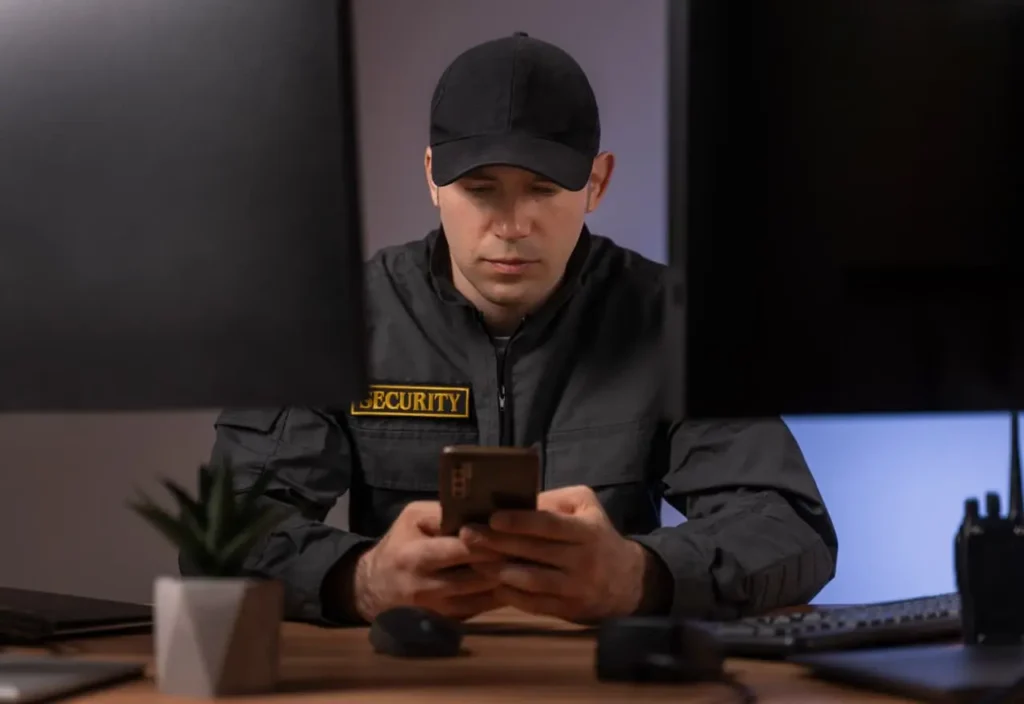
Command Center Setup: Establish a central hub for coordination, whether it’s a radio-equipped tent or a mobile command vehicle. From here, security teams monitor feeds, track personnel, and dispatch responses as needed.
Technology Setup: Install cameras, radios, metal detectors, or ID scanning systems in advance. Test everything. Nothing slows down a checkpoint like technical failure at peak entry time.
Briefing and Orientation: Train all team members on the layout, schedule, emergency protocols, and roles. Communication must be clear, consistent, and frequent.
Entry and Access Control: Where Problems Are Prevented
The way people enter your event often determines how secure the experience will be.
Bag Checks and Screening: For medium-to-large events, bag inspections, pat-downs, or metal detectors should be considered standard practice, especially if alcohol is served or VIPs are present.
Credential Management: Use color-coded badges, wristbands, or digital passes to manage access to staff-only zones, backstage areas, or equipment rooms.
Queue Management: Long lines are not just inconvenient, they’re a safety hazard. Use stanchions, signage, and personnel to maintain orderly lines and reduce congestion.
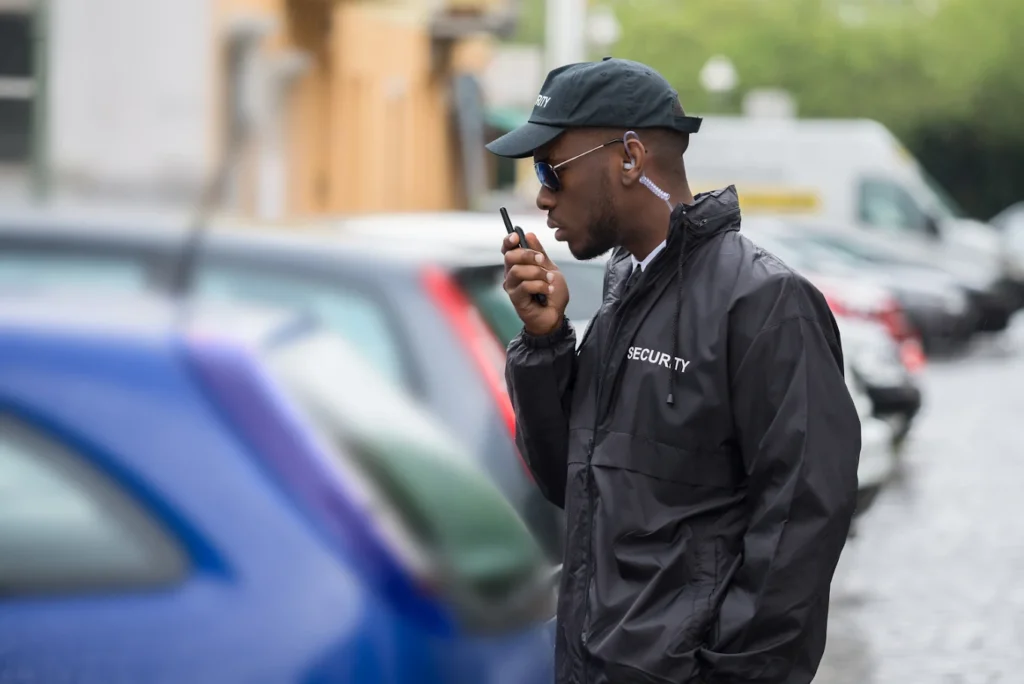
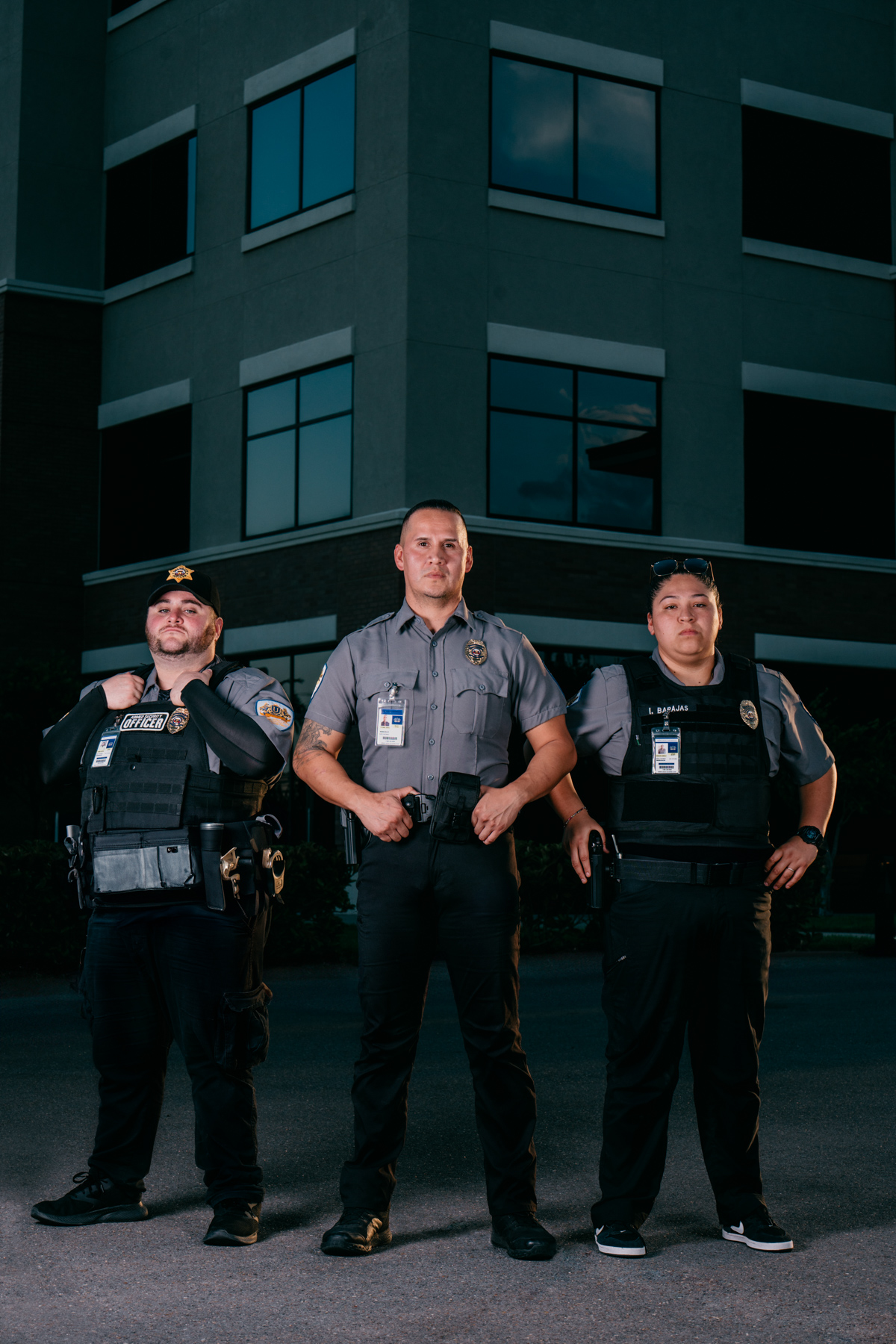
Visible Presence: Place uniformed guards near entrances, exits, and security chokepoints. Their presence alone can deter disorderly behavior or attempted intrusions.
During the Event: Visibility, Vigilance, and Versatility
Once the event is in motion, your team’s role is part monitoring, part management, part intervention.
Patrol Rotations: Maintain regular movement of guards throughout the venue. This includes indoor hallways, outdoor perimeters, parking lots, and VIP zones.
Crowd Monitoring: Keep an eye on crowd density, behavior shifts, or potential escalation. Know how to de-escalate early, before tension turns into confrontation.
Emergency Readiness: Ensure that every team member knows what to do if there’s a medical incident, fire alarm, or evacuation order. Maintain clear paths and working communication at all times.
Lost and Found Procedures: Assign one team member to handle lost property, missing persons (especially children), or reuniting separated groups.
Threat Reporting: Encourage staff and attendees to report anything that feels off. Security isn’t just a top-down function; it benefits from a vigilant community mindset.
Post-Event: Shutdown Without Oversight Gaps
The final phase is often the most overlooked. But it’s also a critical window where assets are vulnerable, and fatigue sets in.
Controlled Egress: Manage how people leave to avoid crowd surges, traffic issues, or parking lot disputes. Keep security in place until the venue is fully cleared.
Vendor and Equipment Security: Protect booths, merchandise, and rental gear during teardown. Many thefts happen in this chaotic phase.
Incident Reporting: Log any incidents, no matter how small. These records are invaluable for insurance, law enforcement, or improving future events.
Debrief and Evaluation: Conduct a full team debrief. What went well? What needs to be addressed next time? Build a continuous improvement mindset into your planning cycle.
Specialized Event Scenarios
Not all events are alike. Some require additional layers of foresight:
Concerts and Festivals: Watch for stage rushes, unauthorized recording equipment, or intoxicated attendees. Position guards at barricades and have medics on standby.
Corporate Conferences: Protect data, laptops, and access to executive areas. Badge systems and internal liaisons are crucial.
Weddings and Private Events: These often require a balance of discretion and professionalism. Uninvited guests, disputes, or misplaced valuables should be handled quietly and effectively.
Sporting Events: Crowd dynamics change quickly. Keep eyes on alcohol areas, team fan zones, and post-game exits.
Secure Your Event with Confidence
The difference between a successful event and one that ends in confusion or worse is typically behind-the-scenes preparation. Security isn’t just a response mechanism. It’s a structure that supports every other part of your event: guest experience, vendor safety, brand integrity, and legal compliance.
At Universal Security Guard Association, we don’t offer one-size-fits-all solutions. We build event security programs that match the size, scope, and tone of your gathering. From initial walkthroughs to post-event evaluations, our trained teams know what to watch for and how to respond.
Planning an event in Florida? Let’s talk about how to make it safer, smarter, and stress-free from start to finish. Contact us today for a custom security plan built around your vision.