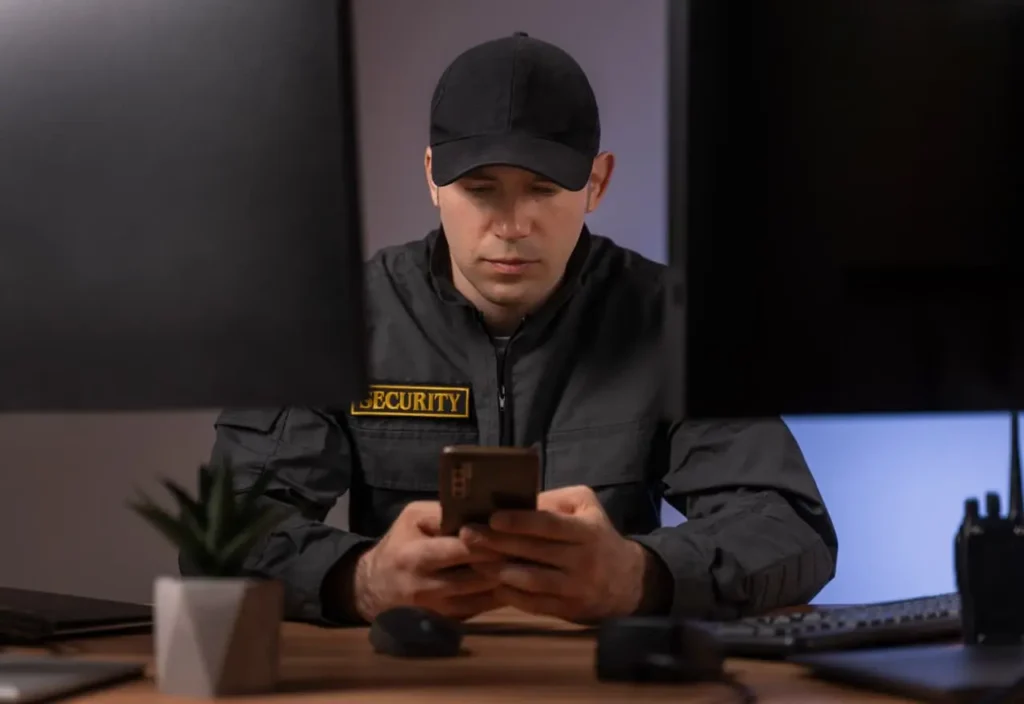

What Is the Class D Security License in Florida?
To work legally as an unarmed security officer in Florida, a Class D license is mandatory. This license is issued and regulated by the Florida Department of Agriculture and Consumer Services (FDACS), Division of Licensing. It qualifies holders to take on security positions that don’t involve carrying a firearm.
Holding this license allows professionals to take on a range of responsibilities. These can include site patrol, gate access management, event observation, and loss prevention in retail or commercial environments. While it doesn’t authorize the use of firearms, it still carries legal weight and defines the scope of what you’re allowed to do as a private security officer.
Meeting the Basic Requirements for Security Licensing in Florida
Before moving forward, you’ll need to confirm that you meet the basic eligibility criteria set by the state. Florida has several non-negotiables in place to ensure those entering the security industry are capable and cleared to perform the role.
Applicants must be at least 18 years old, possess either U.S. citizenship or legal authorization to work in the U.S., and maintain a clean criminal history with no disqualifying offenses. While a high school diploma or GED isn’t mandatory, many employers view it as a minimum standard, so it’s highly recommended.
You’ll also need to complete state-approved training, which is the cornerstone of the licensing process.
The Mandatory 40-Hour Training Course for Security License in Florida
Every applicant for a Class D license must complete a 40-hour training course offered by a state-licensed security school. This training is structured to provide both legal context and practical instruction, preparing future guards for real-world duties and professional expectations.
The course typically spans several days and is often delivered in two parts: a 24-hour segment followed by a 16-hour follow-up. Coursework includes security laws, report writing, ethics, emergency procedures, patrol methods, and de-escalation tactics. There’s also a strong emphasis on observation, communication, and proper conduct on duty.
After completion, students receive a certificate verifying that they’ve met the required standards, this document is essential for the next step.
Applying for Your License in Florida
Once your training is complete, it’s time to submit your application to the FDACS. You have two main paths: applying online or visiting a regional office in person.
Many applicants choose the online route, as it streamlines the process and allows for faster review. You’ll upload your training certificate, a passport-style photo, and complete a detailed form with background information. If you prefer a more hands-on approach or need help navigating the steps, regional offices are staffed to assist with in-person submissions.
Regardless of the method, the application isn’t complete without a full set of fingerprints for a background check.
Completing the Fingerprint Requirement
Fingerprinting is a key part of the background check process and must be done through an FDACS-approved Livescan vendor or at a regional office equipped to handle it. When submitting your prints, use the ORI number FL920015Z—this ensures that the background results are routed correctly to the licensing division.
Costs for fingerprinting vary depending on the provider but typically fall in the range of $30–$40. Most vendors will submit the results electronically, which speeds up the turnaround time.
Waiting for Approval
After submitting your materials and completing fingerprinting, your application enters the review phase. Timelines vary depending on workload and submission format, but online applications are generally processed within 10 to 30 business days. Paper submissions can take longer—up to 90 days in some cases.
During this time, you can track your application status through the FDACS online portal. It’s wise to monitor it closely and respond promptly to any additional documentation requests.
Florida License Validity and Maintenance
Once approved, your Class D license will be valid for two years. Maintaining it requires you to renew before the expiration date. You’re responsible for keeping your contact information current and for staying updated on any changes in licensing laws or continuing education opportunities.
Failure to renew on time can lead to suspension, and continuing to work without a valid license carries serious legal consequences—not just for you, but also for any employer who hires you in that state.
Thinking Ahead: Class G License Considerations for Florida
If your long-term goals include working in higher-security or higher-risk environments—such as armed patrol, VIP protection, or money transport—you may want to pursue a Class G license after securing your Class D.
A Class G license permits you to carry a firearm in your security role. To qualify, you must already hold a valid Class D license and complete a 28-hour firearms training course from a licensed provider. The course includes range training and a written exam. Many officers find that the additional certification opens doors to better-paying opportunities.
Growing Your Security Career Beyond the Basics
While getting licensed is an achievement, the security field values continuous improvement. Florida’s private security landscape is growing, and those who stay ahead of the curve are the ones who advance.
Training beyond the basics—such as first aid certification, conflict resolution, and surveillance system operation—can significantly increase your job prospects. So can gaining experience with reputable firms that invest in your growth, not just your hours.
If you see security as a career, not just a job, then the Class D license is a strategic start, not a final destination.
Make the Move with Confidence
The Class D license isn’t just a document, it’s your key to entering a field where trust, professionalism, and responsibility matter. And in Florida, where private security plays a vital role in every industry from tourism to construction, being licensed opens real doors.
Whether you’re just beginning or starting over, getting your license is a step toward stability and opportunity. And if you’re serious about making this your long-term path, the Universal Security Guard Association is here to help you do more than just qualify, we’re here to help you excel.
Join a network that values readiness, experience, and professionalism. Apply with confidence. Train with purpose. Serve with integrity. Connect with USGA today and take your place in Florida’s growing security community.