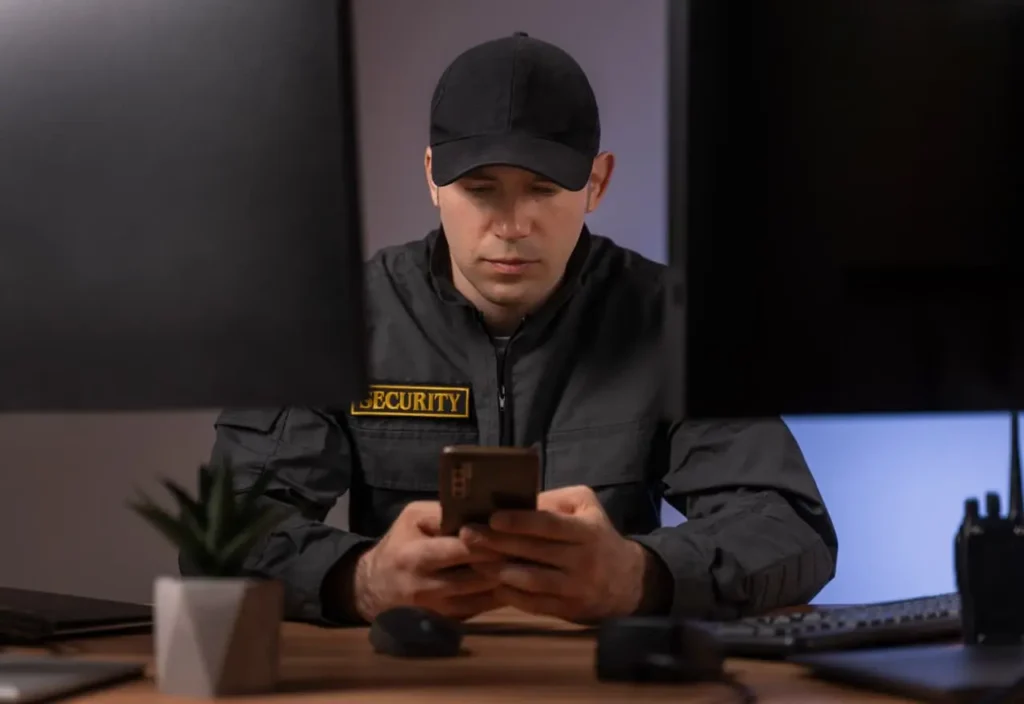

Understanding the difference between security guard types helps you see why the right guard matters in the right place. In this guide, you will learn about seven common types of security guards and what makes each one unique. By the end, you will have a clear and simple view of how their skills, tools, and responsibilities change based on their specialized roles.
Unarmed Security Guards: The First Line of Presence
Unarmed security guards are often the most commonly seen type of guard. They work in places like offices, schools, malls, hospitals, and residential buildings. Their main job is to observe what is happening around them and make sure rules are followed. They focus on prevention by being visible, alert, and ready to act if something seems wrong. Their presence alone can stop many problems before they even start.
These guards rely on communication skills more than force. They greet visitors, check IDs, patrol areas, and report suspicious behavior. If an issue happens, they usually handle it by talking calmly, calling supervisors, or contacting emergency services. Unarmed guards are trained to stay professional and keep situations under control without using weapons, which makes them ideal for low risk environments.
Armed Security Guards: Protection in High Risk Areas
Armed security guards are used in places where there is a higher risk of serious crime. You may find them at banks, government buildings, cash transport services, or locations that handle valuable assets. These guards carry firearms and receive special training on how to use them safely and responsibly. Their role is to provide strong protection and respond quickly to dangerous situations.
Because they carry weapons, armed guards follow strict rules and laws. They must stay alert at all times and make smart decisions under pressure. Their training includes weapon handling, threat assessment, and emergency response. Armed guards are chosen when a visible and strong security presence is needed to protect people, money, or sensitive locations.
Mobile Patrol Guards: Security on the Move
Mobile patrol guards cover large areas by moving from one location to another. They often use cars, bikes, or even golf carts to patrol neighborhoods, business parks, construction sites, or parking lots. Their job is to check multiple sites in a short amount of time, making sure everything is secure and no damage or break ins have occurred.
These guards are especially useful at night or after business hours. They look for open doors, broken lights, or unusual activity and report any problems right away. Mobile patrol guards help reduce crime by being unpredictable, since no one knows exactly when they will arrive. Their movement adds an extra layer of safety across wide areas.
Event Security Guards: Managing Crowds and Safety
Event security guards work at concerts, sports games, festivals, and private events. Their main focus is crowd control and guest safety. They help guide people, check tickets, manage entrances, and make sure everyone follows event rules. When large groups gather, small issues can grow fast, so these guards stay alert and ready.
They are trained to handle conflicts calmly and act quickly if an emergency happens. Event guards often deal with lost guests, medical situations, or unruly behavior. Their role is not only about security but also about creating a safe and enjoyable experience for everyone attending the event.
Corporate Security Guards: Protecting Business Spaces
Corporate security guards work inside office buildings and company campuses. They protect employees, visitors, and company property. Their duties often include monitoring cameras, controlling access points, and checking badges. These guards help create a safe working environment where people feel comfortable and protected.
In many cases, corporate guards also handle sensitive situations like workplace disputes or emergency evacuations. They must be polite, professional, and well organized. Since they interact with staff daily, they need strong people skills and a clear understanding of company policies and procedures.
Residential Security Guards: Keeping Communities Safe
Residential security guards are assigned to apartment complexes, gated communities, and housing areas. Their main goal is to protect residents and prevent unauthorized access. They often work at entry gates, patrol streets, and respond to resident concerns. Their presence helps create a sense of safety at home.
These guards build trust with the people who live there. They learn who belongs in the community and notice when something feels out of place. Residential guards may also help during emergencies, such as fires or medical situations, until help arrives. Their daily involvement makes them an important part of community safety.
Personal Bodyguards: Close Protection for Individuals
Personal bodyguards provide direct protection to a specific person, such as a celebrity, business leader, or public figure. Their job is to stay close, watch for threats, and plan safe movements throughout the day. This type of security requires careful planning and constant awareness of surroundings.
Bodyguards are trained to assess risks, avoid danger, and react fast if a threat appears. They often work behind the scenes to keep their client safe without drawing attention. Their role is very personal and demanding, as they are responsible for protecting a life at all times.
Choosing the Right Security Makes All the Difference
As you have seen, security guards are not all the same. Each type has a clear role, specific skills, and a purpose that fits certain environments better than others. From unarmed guards who focus on prevention, to armed guards and personal bodyguards who handle serious risks, every security role exists to solve a different problem. Knowing these differences helps you make smarter decisions when safety truly matters.
If you are looking for reliable and professional security services, Universal Security Guard Association stands out as the best option for complete security solutions. With experience across all types of security services, they understand how to match the right guard to the right need. For more details and expert guidance, we strongly recommend visiting our website and learning how we can help protect what matters most to you.