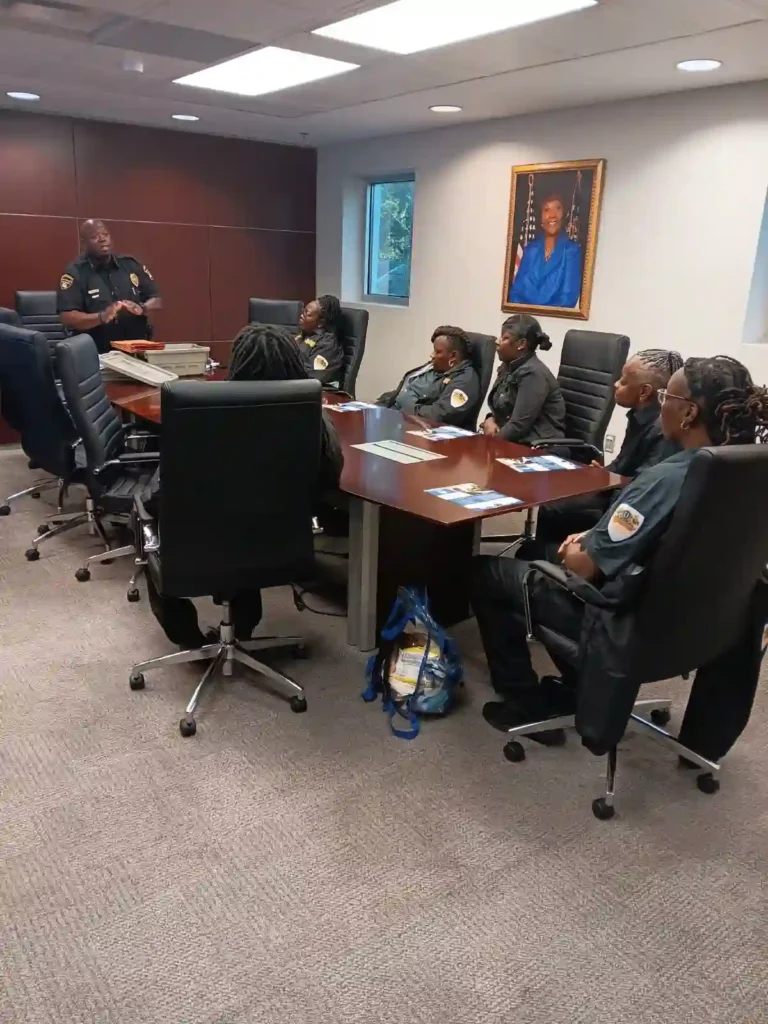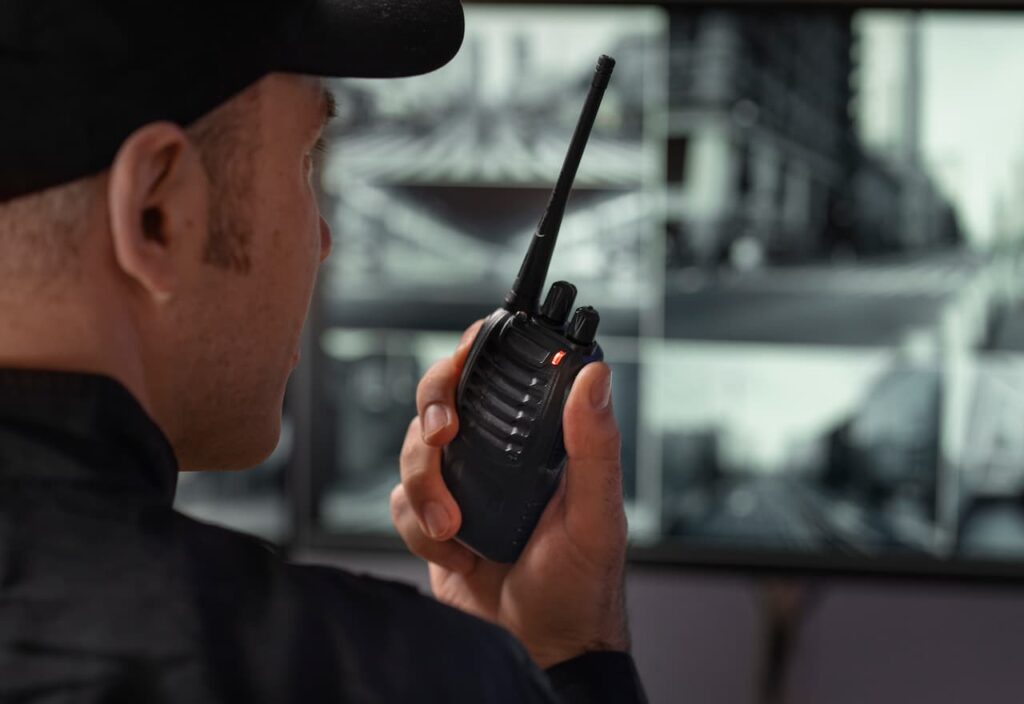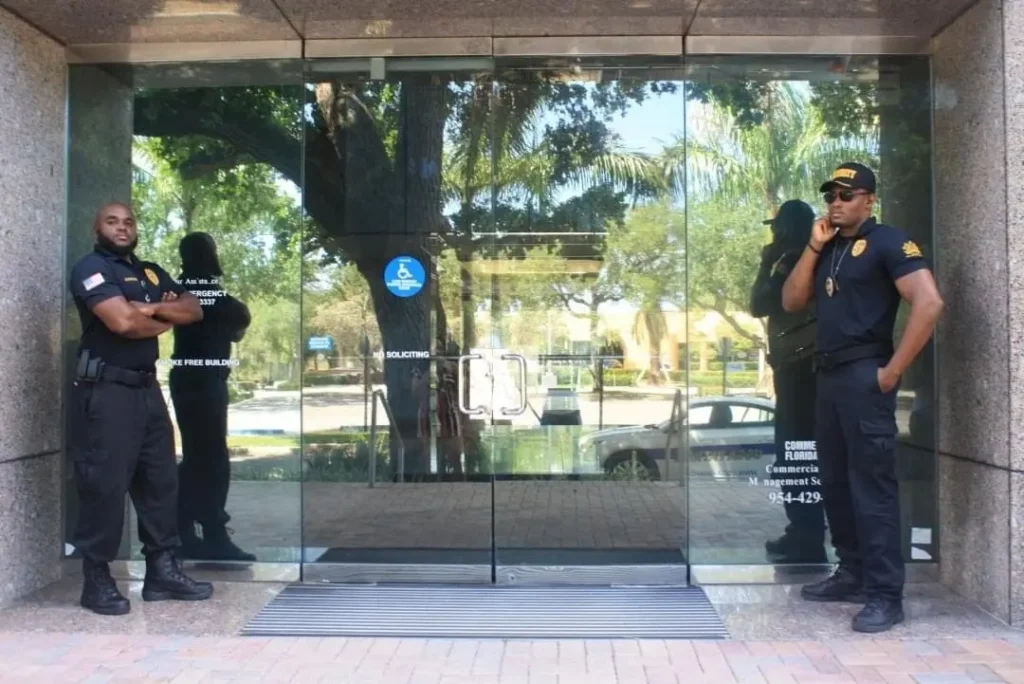

At Universal Security Guard Association, our executive protection teams are trained to assess threats, adapt environments, and manage the unseen. Here’s what executive protection truly involves, and why it matters.
Understanding the Role of Executive Protection
Executive protection (EP) is a specialized field of security that centers on ensuring the safety of individuals who face elevated risks due to their profession, public profile, or personal circumstances. These are not cookie-cutter assignments. Each engagement is tailored to the unique lifestyle, schedule, and risk profile of the principal, the person being protected.
EP professionals handle far more than bodyguarding. They analyze travel routes, assess hotel security, liaise with local law enforcement, and manage event access. They monitor for potential threats online and offline, adapt to shifting environments, and remain invisible when necessary. Their mission: enable the principal to operate freely, safely, and with peace of mind.
This level of detail-oriented protection requires far more than physical presence. It calls for advanced planning, soft skills, and the ability to predict and neutralize threats before they materialize.
Who Needs Executive Protection?
You don’t have to be famous to need executive protection. Many individuals qualify based on risk, not profile. This includes:
- C-suite executives or board members involved in high-profile decisions
- Individuals traveling to politically unstable or high-crime regions
- Public figures facing harassment, stalking, or threats
- Key personnel during company transitions, litigation, or media attention
- Celebrities, athletes, or influencers with large public followings
In each case, the decision to deploy executive protection stems from a vulnerability assessment, not just status. Factors like public visibility, recent incidents, and exposure to controversial topics all play a role in determining risk.
The Components of Executive Protection
There’s no single template for an executive protection plan, but most include a combination of the following elements:
Advance Work: Before any travel or appearance, protection agents conduct recon. They visit venues, map routes, test communications, and evaluate medical response times. This groundwork reduces uncertainty.
Close Protection: At the heart of EP is the personal guard team. These are trained professionals who accompany the principal, manage immediate threats, and respond to emergencies. They’re always alert, even when they appear relaxed.
Secure Transportation: Traveling isn’t just about getting from point A to B—it’s about doing it safely. EP includes secure vehicles, vetted drivers, and route contingency planning.
Threat Monitoring: Today’s threats often start online. EP teams monitor digital chatter, social media posts, and news cycles for signs of targeting or hostility.
Residential and Event Security: When the principal is home or at a private event, protection extends to the perimeter. This may involve guards, surveillance systems, and coordination with local authorities.
Emergency Protocols: Protection plans include detailed actions for everything from medical emergencies to civil unrest. These protocols are rehearsed, refined, and ready.
Soft Skills in Executive Protection
EP agents need more than tactical training. They must blend into the principal’s environment while remaining fully alert. That means:
- Reading social cues and maintaining discretion
- Communicating professionally with staff, media, and third parties
- De-escalating situations verbally before resorting to physical intervention
- Protecting confidentiality at all times
This interpersonal intelligence makes the difference between effective protection and disruptive overreach.
Key Differences from General Security Services
While all security shares the same ultimate goal—safety—executive protection operates at a different level of customization and precision. Key distinctions include:
Scope of Service: EP includes global coordination, threat intelligence, and lifestyle support beyond traditional guard work.
Training Requirements: EP agents often have backgrounds in law enforcement, military service, or high-risk operations. They receive specialized training in protective driving, defensive tactics, emergency medical care, and privacy protocols.
Client Relationship: Unlike post-based security, executive protection requires rapport and trust. Agents often travel with or spend extended time near the principal, becoming part of their routine.
Discretion and Low Visibility: EP is as much about what others don’t notice as what they do. The best agents are invisible to the public while fully engaged in defense.
Common Misconceptions
“Only celebrities need EP.” In reality, corporate leaders, public officials, and private citizens may all face threats that justify protection.
“It’s all muscle.” EP agents are as mentally sharp as they are physically fit. Intelligence and adaptability are core traits.
“It’s overkill unless there’s an active threat.” EP is about prevention. The absence of incidents is proof the system is working.
Customization Is Everything
No two executive protection strategies are the same. Plans are built around:
- Travel schedules
- Event attendance
- Residence and work locations
- Personal risk factors
- Public visibility
This bespoke approach ensures resources are deployed efficiently. It avoids unnecessary disruptions while maintaining comprehensive safety.
Why Executive Protection Is a Smart Investment
The cost of executive protection is often offset by what it prevents: lost productivity, public fallout, legal issues, or worse. For organizations, it demonstrates a duty of care to key personnel. For individuals, it’s an insurance policy on their time, safety, and peace of mind.
More than a service, EP is a proactive mindset. It asks what could happen and prepares before it does.
Security That Moves at Your Speed
At Universal Security Guard Association, we provide more than protection, we provide peace of mind. Our executive protection programs are discreet, adaptable, and built for real-world conditions. Whether it’s a one-day appearance or a long-term assignment, our teams deliver professionalism without disruption.
If your role exposes you to risk, don’t wait for an incident to take action. Executive protection is a proactive investment in your safety and your freedom.
Let’s build a plan that works for your world. Contact Universal Security Guard Association to get started.