A retail store, hotel, gated community, warehouse, event venue, construction site, office building, and parking facility do not need the same security plan. Some need visible deterrence. Some need access control. Some need patrols. Some need incident response. Some need overnight coverage because the real exposure begins after the doors close.
At USGA, we see security as a practical decision. The goal is not to overstaff a site or make the environment feel tense. The goal is to match the right guard presence to the real risk so people, property, staff, and operations stay protected.
Why Security for Hire Should Match the Site
A security plan that does not match the site can create two problems. Too little coverage leaves gaps. Too much coverage can waste budget and disrupt the normal flow of the property.
That is why security for hire should be evaluated by use case. A hotel needs calm guest-facing support. A construction site may need overnight patrol and equipment protection. A retail location may need theft deterrence and customer-safe response. A gated community may need visitor verification and regular patrols.
The right security guard services should feel connected to how the property actually works. Where do people enter? When is the site most active? What areas are restricted? Where have incidents happened before? What would cause the biggest operational problem if it went unchecked?
Those answers shape stronger coverage.
Start With the Property Type
The property itself gives the first clues. A public-facing business has different risks than a private facility. A large site has different needs than a small lobby. A 24-hour operation has different exposure than a business that closes at 6 p.m.
Commercial Properties
Commercial buildings often need lobby presence, visitor support, access control, patrols, and incident reporting. The guard helps protect the building while keeping movement professional.
Retail Locations
Retail security often focuses on theft deterrence, crowd awareness, employee support, and fast response when a situation begins to affect customers or staff.
Residential Communities
Residential security depends on access control, patrol visibility, visitor verification, parking checks, and respectful communication with residents.
Construction and Industrial Sites
These sites often need protection for equipment, materials, vehicles, gates, storage areas, and after-hours access points.
Hours Matter More Than People Think
Some properties look low-risk during the day and become exposed at night. Others are busiest during evenings, weekends, holidays, deliveries, shift changes, or events.
A strong security for hire decision should look closely at timing. When do people arrive? When does staff leave? When are cash, inventory, vehicles, or equipment most vulnerable? When are complaints most common? When is the property least supervised?
This is where security coverage becomes more precise. A site may not need a guard all day. It may need focused coverage during closing hours, overnight patrol, weekend presence, event support, or extra help during seasonal traffic.
Good security is not always about more hours. It is about the right hours.
Public Access Changes the Risk
The more open a property is, the more important access awareness becomes. Public access can include customers, vendors, visitors, guests, contractors, delivery drivers, rideshare traffic, residents, employees, or event attendees.
Private security guards help manage that movement. They can observe who enters, support staff when someone refuses to follow rules, monitor restricted areas, and report behavior that does not fit the site.
This does not mean treating every visitor like a problem. It means creating a consistent point of awareness. When access is unmanaged, small issues can move through the property before anyone responds.
Incident History Should Shape the Plan
Past incidents are useful because they show where the property is already vulnerable. Theft, vandalism, trespassing, vehicle break-ins, loitering, aggressive behavior, unauthorized access, workplace conflict, or repeated complaints should not be treated as isolated if they keep happening.
A better plan asks direct questions:
- What happened?
- Where did it happen?
- What time did it happen?
- Who was affected?
- Was there a delay in response?
- Could visible guard presence have changed the outcome?
These answers help decide whether the site needs a stationary guard, mobile patrol, access control, event coverage, overnight security, or a stronger reporting process.
What the Right Guard Coverage Should Include
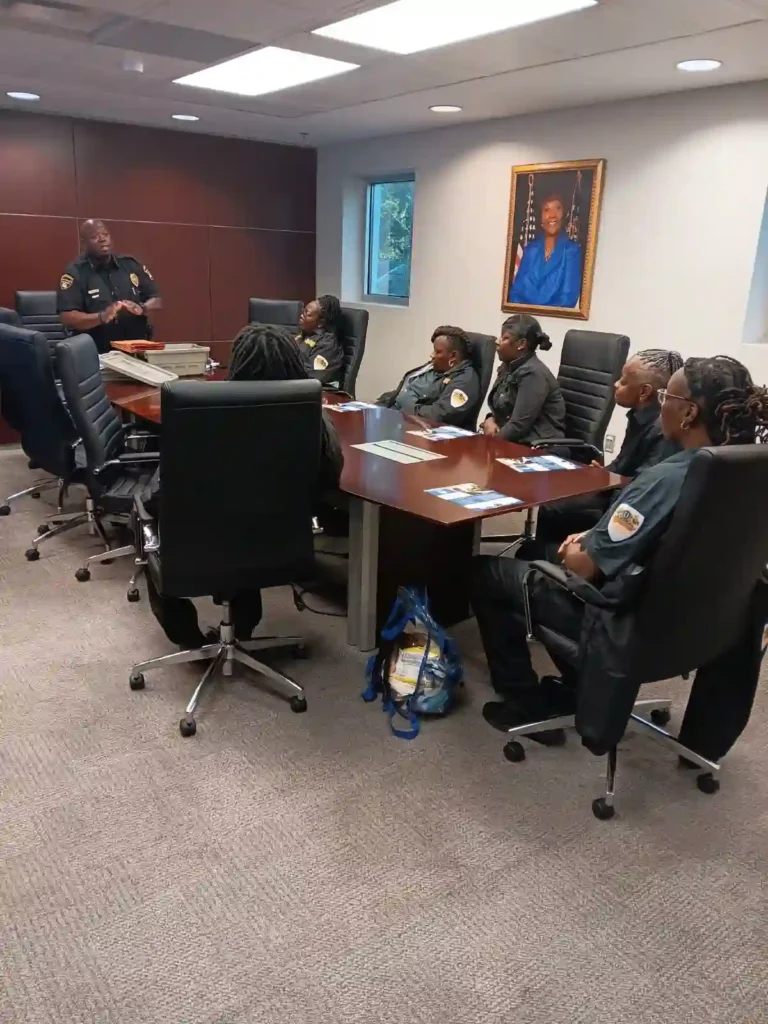
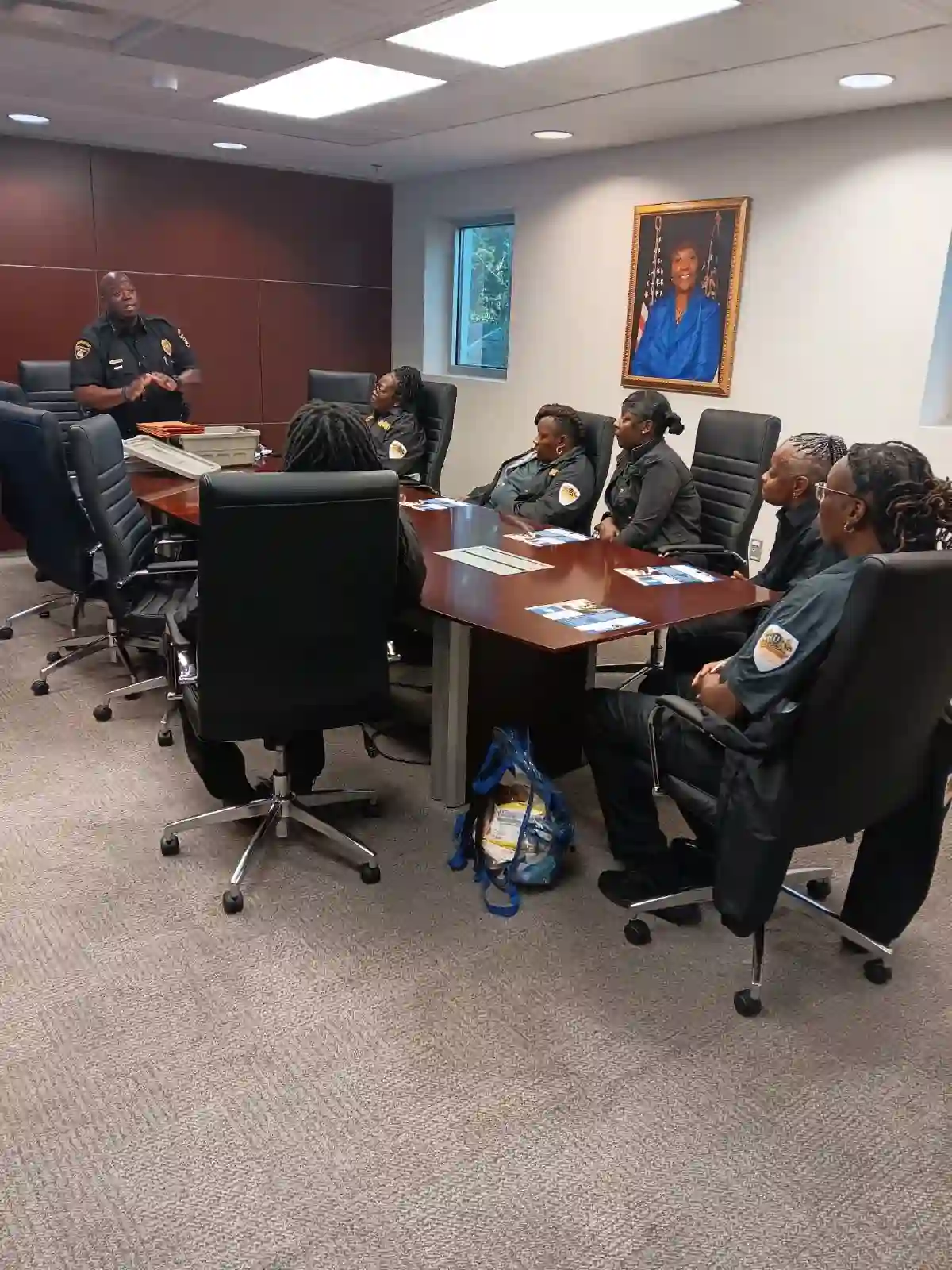
Security guard services should be clear before coverage begins. The client and guard team should understand what the guard is responsible for, where they should patrol, who they report to, and what requires escalation.
Visible Deterrence
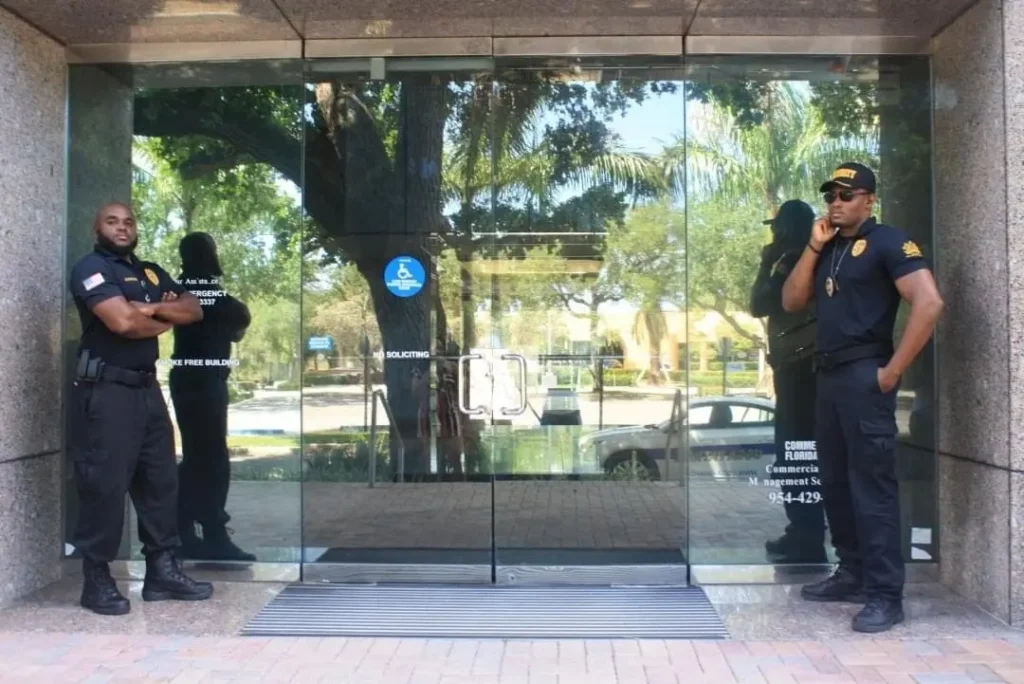
A professional guard presence can discourage theft, trespassing, disorderly behavior, and unauthorized access before an incident starts.
Access Control
Guards can help monitor entrances, verify visitors, support vendor check-ins, and protect restricted spaces.
Patrols
Patrols help detect problems in parking lots, hallways, loading areas, storage zones, entrances, and perimeter areas.
Incident Response
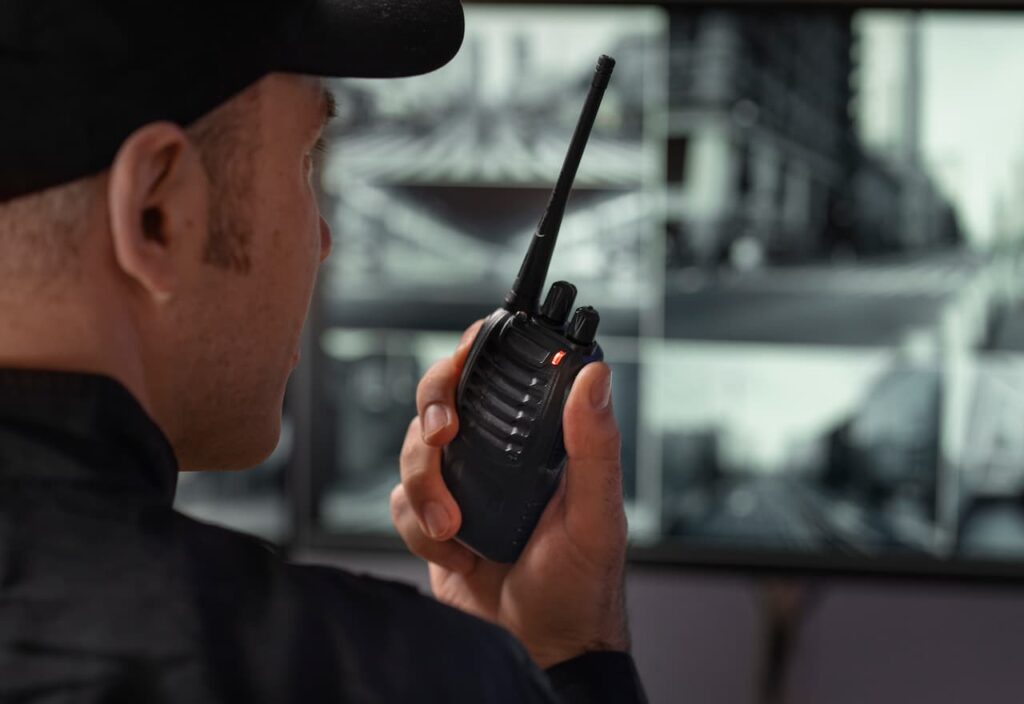
When something happens, guards can assess, report, call emergency services when needed, and help keep the situation controlled.
Reporting
Documentation gives management a record of activity, incidents, concerns, and patterns that may need attention.
Why Communication Is Part of Security
A guard’s presence matters. Their communication matters just as much.
Security teams often interact with employees, residents, guests, customers, contractors, police, fire departments, and property managers. Poor communication can create tension. Strong communication can calm a situation and protect the site’s reputation.
That is especially important in public-facing environments. A security guard should be firm when needed, but still professional. The goal is not to intimidate people. The goal is to keep the environment safe and controlled.
Why USGA Is a Strong Fit for Security for Hire
USGA provides professional guard services for commercial properties, residential communities, retail locations, hotels, events, construction sites, and other active environments. That range matters because each site needs coverage built around its own risk.
We help clients think through the real security need. Is the main concern access? Theft? Guest safety? Employee support? Overnight risk? Parking areas? Incident response? Patrol visibility? Once that is clear, the guard coverage becomes easier to match.
At USGA, our focus is practical protection. We support trained guard placement, clear post expectations, patrol discipline, incident reporting, and professional communication. That gives clients a stronger security presence without turning the property into a high-friction environment.
Better Security Starts With the Right Fit
Security for hire should not feel like guesswork. The right decision starts with the property, the schedule, the access points, the people on site, and the risks that already exist.
A good plan protects what matters without adding unnecessary pressure. It helps staff feel supported. It helps visitors, residents, customers, or guests move through the space with more confidence. It gives management a clearer record of what happens on site.
At USGA, we help clients choose security coverage that fits real conditions, not assumptions. If your property needs private security guards, patrol support, access control, or full security guard services, our team can help build a plan around the actual risk.
Contact USGA to discuss security for hire that fits your site, schedule, and safety goals.