Hotels are active environments. People arrive late, leave early, check in with luggage, gather in lobbies, move through parking areas, attend events, visit bars, use elevators, and access private floors. That movement creates risk. Not always dramatic risk, but the kind that grows when no one is watching clearly.
At USGA, we see hotel security as a service built around presence, judgment, and guest experience. The right guard does not interrupt hospitality. The right guard protects it.
Why Hotel Security Needs a Different Kind of Presence
Hotel security is not the same as warehouse security, retail security, or construction site coverage. A hotel is both private and public. Some areas are open to guests, visitors, vendors, and event attendees. Other areas should stay restricted to staff, registered guests, or authorized personnel.
That mix makes the role more sensitive. A hotel security guard must notice behavior without making assumptions. They need to monitor access without creating unnecessary friction. They need to support staff without taking over guest service.
Good hospitality security feels calm. It gives guests confidence without making the property feel guarded in a heavy-handed way.
Access Control Without Slowing Down the Guest Experience
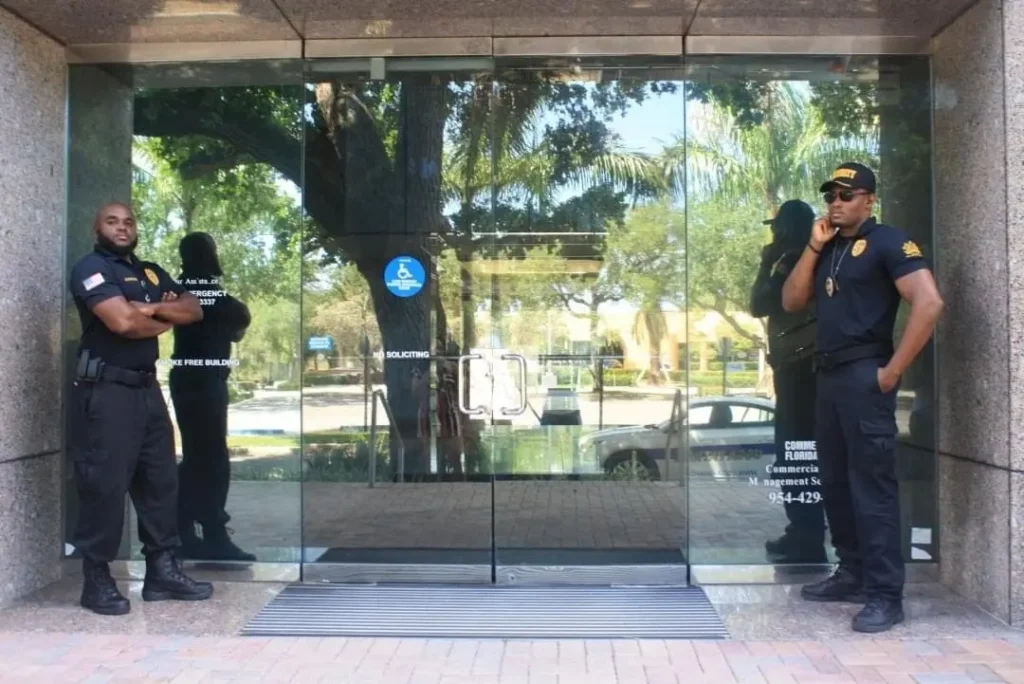
Access control is one of the most important hotel security duties. Hotels have many entry points: front doors, side entrances, parking areas, loading docks, elevators, stairwells, pool areas, conference rooms, and back-of-house spaces.
A hotel security guard helps watch those areas so the wrong person does not move freely through the property. That does not mean treating every visitor like a threat. It means understanding the difference between normal guest movement and activity that needs attention.
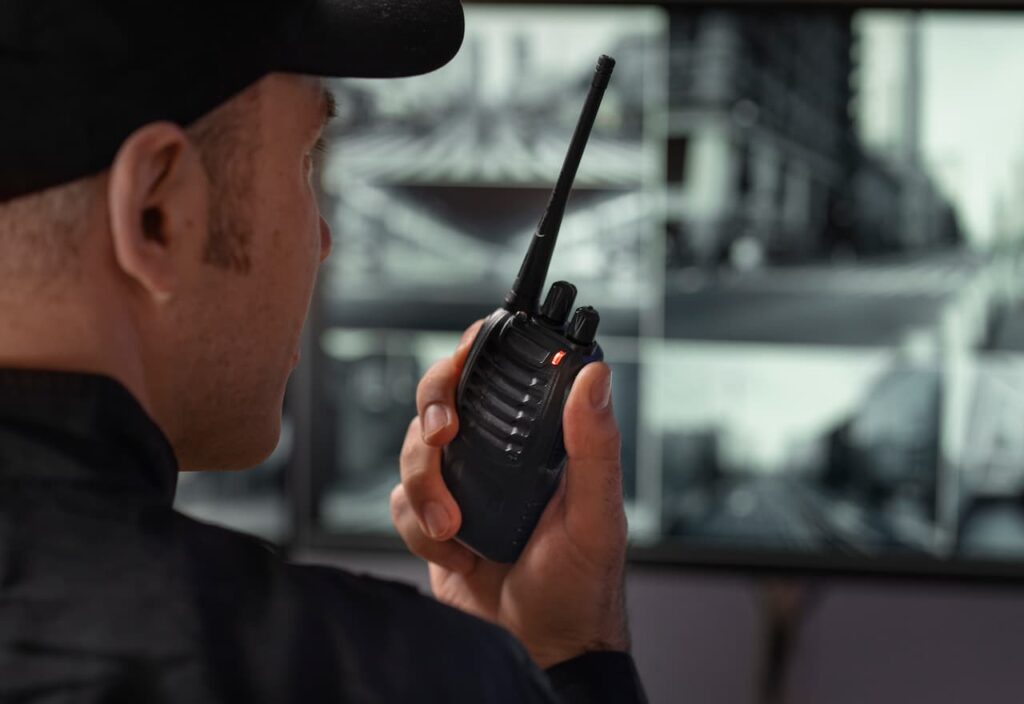
Security may help monitor lobby traffic, confirm vendor access, support front desk staff with difficult situations, watch restricted areas, and respond when someone enters a space they should not be in.
Patrols That Protect Guests, Staff, and Property
Hotel patrols are not just walkthroughs. They are one of the strongest ways to detect problems early. A guard moving through the property can spot issues that cameras or staff may miss.
Lobby and Common Areas
The lobby sets the tone for the property. A guard can monitor crowding, suspicious activity, unattended bags, disruptive behavior, and guest concerns without interfering with normal check-in flow.
Hallways and Guest Floors
Guest floors need a quieter style of security. Guards may check for noise complaints, unauthorized access, door issues, suspicious activity, or disturbances that affect guest safety.
Parking Areas
Parking lots and garages are common risk points. A visible patrol can help reduce theft, vandalism, loitering, and unsafe activity around vehicles or entrances.
Back-of-House Areas
Staff-only areas need protection too. Kitchens, offices, storage rooms, loading areas, laundry spaces, and maintenance zones often hold equipment, inventory, keys, and sensitive access points.
Event and Conference Spaces
Hotels with events need flexible security. Guards may help manage crowd movement, protect restricted areas, monitor alcohol-related concerns, and support staff during busy periods.
Incident Response With Calm and Control
Hotels can face many types of incidents. Some are minor. Some need fast action. A guest may become aggressive. A visitor may refuse to leave. A medical concern may happen in a hallway. A fire alarm may activate. A theft report may come in. A domestic dispute may spill into public space.
A hotel security guard helps bring structure to those moments. The guard can assess the situation, contact management, call emergency services when needed, document what happened, and help keep other guests away from the problem area.
The tone matters. A hotel incident should not become a scene when it can be handled with control. The best guards know when to speak, when to step back, when to escalate, and when to let hotel management lead.
Guest Safety Without Making Guests Feel Watched
Guest safety is not only about emergencies. It is also about the small details that shape how secure a stay feels.
A guest walking from the parking area late at night should feel the property is attended. A front desk employee dealing with an upset visitor should feel supported. A family using common areas should feel the hotel is being monitored. A business traveler returning after dinner should feel safe moving through the lobby and elevator area.
That kind of safety comes from visible but respectful presence. A hotel security guard should be attentive, approachable, and professional. The goal is not intimidation. The goal is reassurance.
How Hotel Security Guards Support Staff
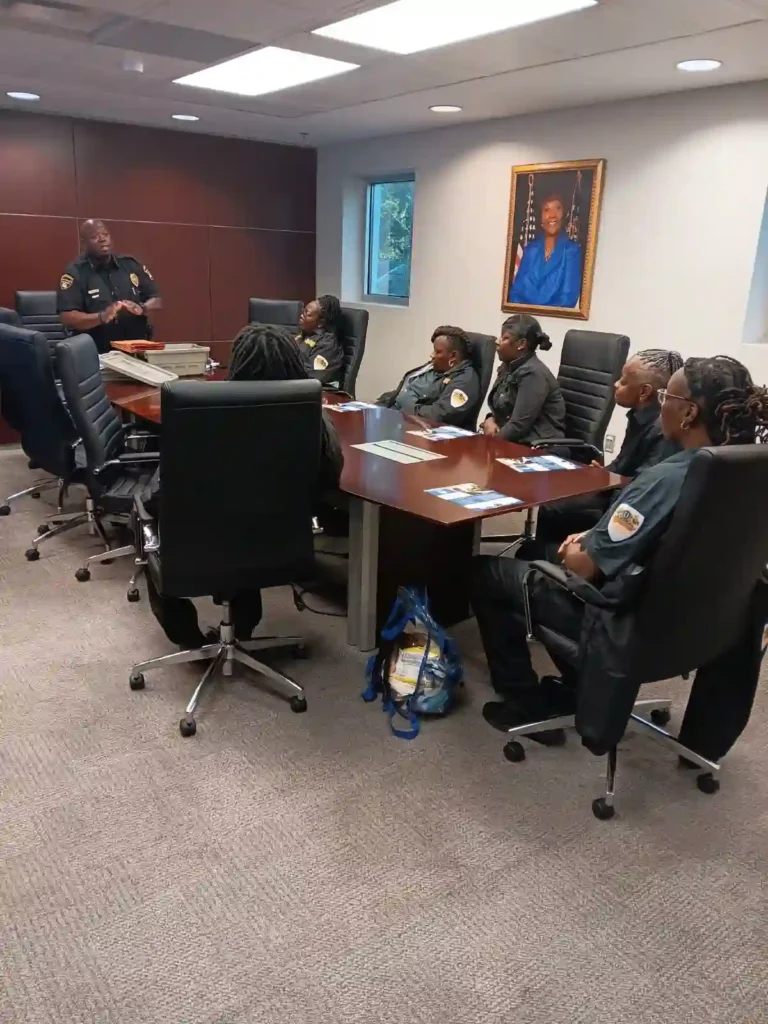
Hotel staff often see problems first. Front desk employees, housekeeping teams, maintenance workers, restaurant staff, and event teams all notice when something feels off. But they may not be trained or positioned to handle security issues alone.
A guard gives staff a dependable point of support. That can include escorting employees to parking areas, responding to guest disturbances, checking unsafe areas, helping with lost property reports, or standing by during difficult conversations.
This support also reduces pressure on hospitality teams. Staff can focus on service while security handles risk, monitoring, and documentation.
Documentation That Protects the Property
Professional hotel security services should include clear reporting. When something happens, the property needs more than memory. It needs a written record.
Reports may include patrol times, incident details, guest complaints, unauthorized access attempts, safety hazards, police contact, medical response, property damage, or staff requests for support.
Strong documentation helps management review patterns. If the same stairwell, parking area, hallway, or event space keeps showing issues, the hotel can adjust staffing, lighting, access, or procedures. Security reporting turns daily activity into useful operational insight.
Why USGA Is a Strong Fit for Hotel Security Services
USGA provides professional security guard services for businesses, properties, events, retail spaces, residential communities, and commercial environments. That experience matters in hotels because hospitality security needs flexibility.
A hotel security guard may need to monitor access one hour, support a guest issue the next, patrol a parking area after that, and assist staff during a late-night disturbance before the shift ends. The role changes with the property’s rhythm.
At USGA, we focus on practical protection. Our guards support visibility, patrol discipline, incident response, communication, and professional reporting. For hotels, that means security can strengthen the guest experience instead of disrupting it.
Security Should Protect the Stay, Not Interrupt It
The best hotel security does not make guests feel uncomfortable. It makes the property feel cared for. It helps staff feel supported. It gives management better visibility. It reduces avoidable risk in areas where hotels are most exposed.
A hotel security guard protects more than doors and hallways. The role helps protect trust. When guests feel safe, staff feel supported, and incidents are handled calmly, the hotel experience becomes stronger.
At USGA, we help hospitality properties create security coverage that fits the environment, the guest profile, and the operational pace of the site.
Contact USGA to discuss hotel security guard coverage that protects guests without adding friction to the stay.