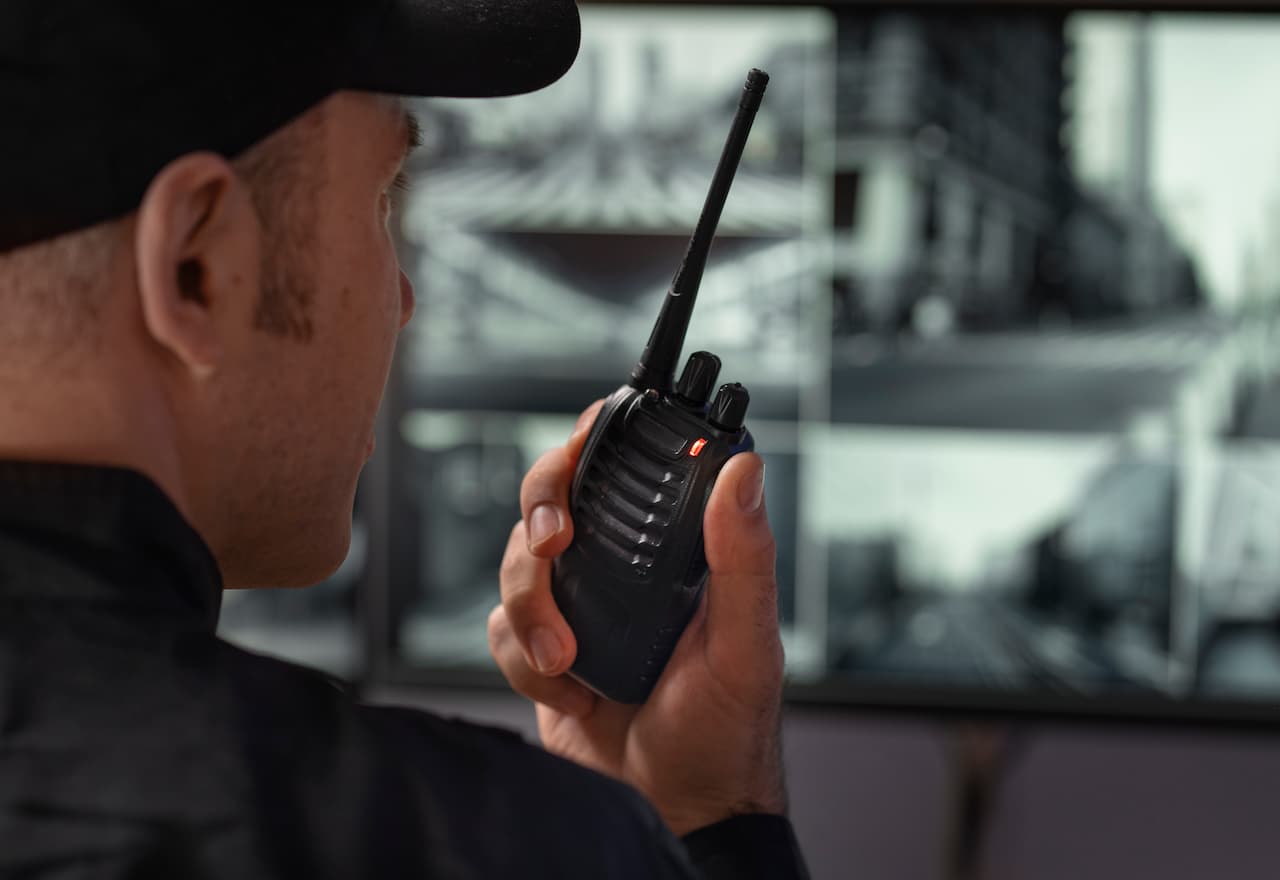
A gated community can look secure from the outside and still feel weak if access is inconsistent, patrols are irregular, or residents do not know who to contact when something feels off. The opposite is also true. When security is visible, calm, organized, and respectful, residents usually feel the difference right away.
At USGA, we see gated community security as a balance between protection and daily comfort. The goal is not to make residents feel watched. The goal is to help them feel that the property is cared for, entry is monitored, and problems are addressed before they grow.
Why Gated Community Security Depends on Daily Details
A gate creates a first layer of control. It does not solve everything by itself.
Communities still deal with visitors, contractors, delivery drivers, rideshare vehicles, service technicians, maintenance teams, guests, residents with multiple vehicles, and occasional unauthorized access attempts. If those movements are not managed well, the gate becomes more symbolic than useful.
Residents notice when access feels loose. They notice when a guard does not ask questions. They notice when visitors enter without verification. They notice when patrols are absent after dark. They also notice when security handles those moments professionally without creating unnecessary delays.
That is where trained residential security guards matter. They turn the security plan into a real daily process.
Monitored Entry Points Set the Tone
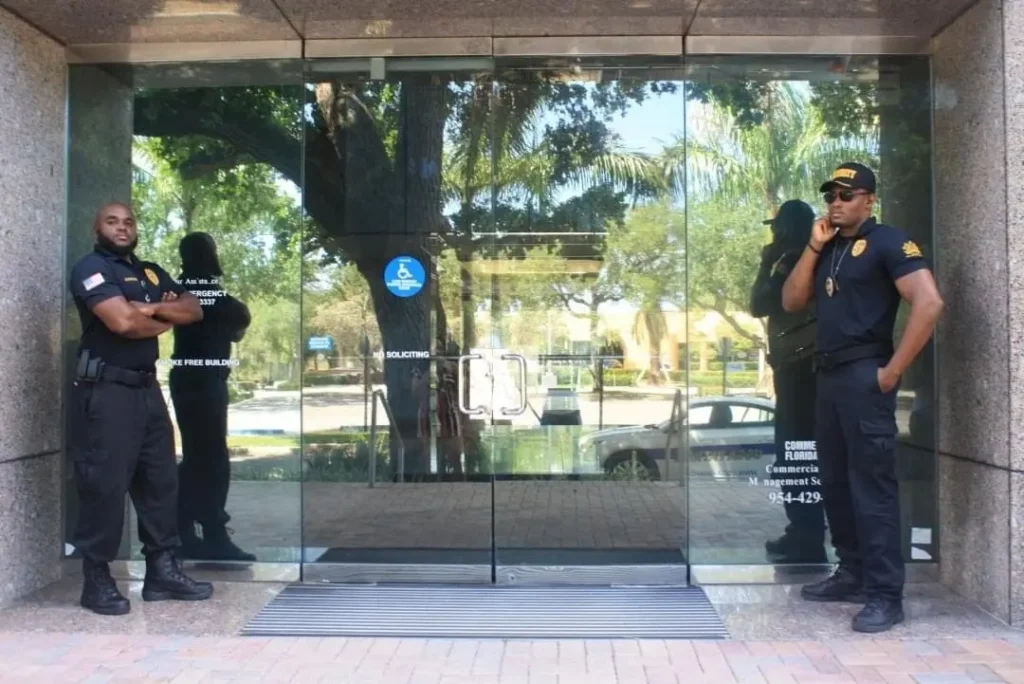
The entrance is often the first place residents judge the quality of security. A professional guard should keep access moving while still paying attention.
Good entry control includes visitor verification, resident access support, vendor checks, delivery coordination, and clear reporting when something does not match community rules. The best approach is firm but polite. Residents do not want a difficult entrance experience, but they also do not want open access for anyone who pulls up to the gate.
A strong gate presence helps reduce unauthorized entry, discourages casual trespassing, and gives guests a clear point of contact. It also supports the HOA or property management team by making rules easier to apply consistently.
What Residents Actually Notice
A security plan looks great on paper, but residents judge safety by what they experience when they come home. Here are the daily touchpoints where professional guard services truly make a difference.
Visitor Handling
Residents notice whether guests are verified before entering. A guard who confirms names, addresses, access instructions, or approved lists helps protect the privacy and comfort of the community.
Patrol Presence
A patrol vehicle or walking guard can make a community feel more attended. Residents usually notice security most when it appears at the right times: evenings, overnight hours, weekends, and around shared amenities.
Faster Response
When a resident reports a concern, speed matters. A guard who responds, documents the issue, and escalates when needed helps residents feel heard.
Amenity Protection
Pools, clubhouses, gyms, playgrounds, and parking areas need attention. Residents notice when these spaces stay orderly, safe, and used by authorized people.
Professional Communication
Security should not feel rude or careless. Clear communication helps prevent tension with residents, guests, vendors, and staff.
Patrols Help Catch Problems Before They Spread
Patrols are one of the most valuable parts of gated community security because they move attention beyond the front gate. Many issues happen inside the property, not at the entrance.
A guard may check parking areas, sidewalks, amenity spaces, perimeter fencing, lighting, vacant areas, maintenance zones, and common gathering points. These rounds can help identify open gates, damaged locks, suspicious vehicles, noise complaints, vandalism, trespassing, or safety hazards.
Patrols also support resident confidence. People feel safer when they know someone is actively moving through the property, not only sitting at the gate.
Visitor Verification Protects More Than Access
Visitor verification is one of the clearest ways to strengthen a residential security program. It helps answer a simple question: should this person be here?
That question applies to guests, contractors, delivery drivers, cleaners, repair technicians, rideshare drivers, and vendors. Without a clear process, security can become inconsistent. One guard may ask for details. Another may wave someone through. Residents lose confidence when access depends on who happens to be on shift.
A stronger process gives guards clear instructions. Who can approve visitors? What information should be recorded? What happens when the resident does not answer? How should denied access be handled? What vendors are allowed after hours?
This protects the community without making entry feel chaotic.
HOA Security Services Need Clear Rules
HOA security services work best when the guard team and the community leadership agree on expectations before problems happen. Security guards should not have to guess how to handle visitor lists, parking violations, noise complaints, amenity access, vendor entry, or resident disputes.
Clear post orders help. They define patrol routes, reporting steps, emergency contacts, access rules, escalation procedures, and communication expectations. That structure protects guards, residents, board members, and management.
It also reduces conflict. When rules are clear, security can apply them more consistently and with less emotion.
Documentation Makes Security Easier to Manage
Residents may notice the patrols and gate presence, but property managers and HOA boards also need records. Documentation shows what happened, when it happened, where it happened, and how it was handled.
Security reports may include visitor entries, denied access attempts, patrol findings, parking concerns, amenity issues, resident complaints, maintenance hazards, police contact, or incident response.
This matters because patterns are easier to fix when they are visible. If the same gate arm fails repeatedly, if one parking area has more complaints, or if certain times bring more unauthorized access attempts, the community can adjust its plan.
A good report is not just paperwork. It is operational memory.
Why USGA Is a Strong Fit for Gated Community Security
USGA provides professional guard services for residential communities, commercial properties, retail environments, events, and other active sites. That experience matters because gated communities require a specific type of security presence.
The guard must be visible, but not aggressive. Attentive, but not intrusive. Firm with rules, but respectful with residents. Ready to respond, but calm enough to keep everyday life moving.
At USGA, our focus is practical protection. We help communities create guard coverage that supports access control, patrol visibility, resident safety, incident reporting, and property management needs. The result is a security program that feels organized instead of improvised.
Better Security Should Make the Community Feel More Livable
Gated community security should protect the rhythm of daily life. Residents should be able to come home, welcome guests, use amenities, park, walk, and report concerns with more confidence.
The strongest programs are not built around fear. They are built around consistency. Monitored entry. Clear visitor verification. Regular patrols. Professional communication. Reliable reporting. Faster response when something feels wrong.
At USGA, we help communities create security coverage that supports both safety and resident experience. If your gated community needs stronger access control, patrol support, or HOA security services, our team can help build a plan that fits the property.
Contact USGA to discuss gated community security coverage for your residents, staff, and shared spaces.