Retail stores and shopping centers are bustling environments, offering a wide array of products and services while serving large volumes of customers each day. However, the high traffic and diverse activities that make these venues attractive to shoppers also make them prime targets for theft and other security risks.
A comprehensive loss prevention and security strategy helps mitigate these threats, ensuring that businesses remain safe, profitable, and capable of providing excellent customer experiences.
Creating an effective loss prevention and security program involves a mix of technological solutions, employee training, and strategic planning. With the right balance of prevention and response, businesses can not only reduce their losses but also enhance their customer experience by creating a safe and welcoming environment. This guide will walk you through the most important security strategies and components that retail stores and shopping centers should integrate into their loss prevention programs.
Understanding the Importance of Loss Prevention in Retail
Loss prevention is essential for retail stores and shopping centers, not just to safeguard assets but to maintain a healthy bottom line. Theft, whether by customers or employees, can significantly impact profitability, especially in industries with thin margins. But the consequences are not just financial; they can also include reputational damage and reduced customer trust.
A proactive loss prevention strategy does more than just react to incidents-it anticipates risks, implements measures to reduce vulnerabilities, and fosters a culture of security awareness. By focusing on loss prevention, retailers can mitigate risks before they escalate and avoid the cost of reactive measures.
Key Strategies for Loss Prevention and Security in Retail
Building an effective security program for retail settings requires a mix of technology, personnel, and procedures designed to prevent, detect, and respond to threats. Below are the key components of a well-rounded security strategy for retail stores and shopping centers:
One of the most visible and effective deterrents for retail theft is the use of surveillance cameras. A robust CCTV system provides 24/7 monitoring of the premises and acts as a constant deterrent for would-be criminals. In addition, video footage can be used as evidence in case of an incident, helping to identify offenders and improve security responses.
Managing access to certain areas of the store or shopping center is another critical component of loss prevention. Access control systems can restrict entry to stockrooms, warehouses, and cash handling areas, reducing the opportunity for theft or unauthorized actions. For shopping centers, access control can extend beyond just physical spaces to include managing who enters or leaves specific sections of the property.
Technology and Automation in Retail Security
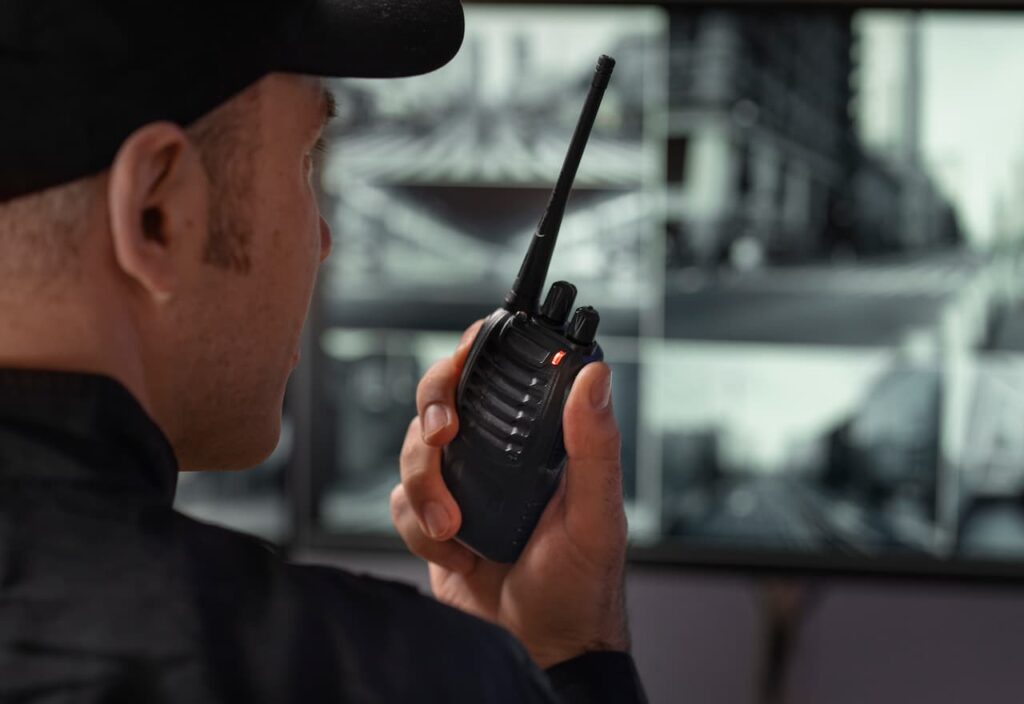
Modern technology has revolutionized loss prevention strategies in retail. Automated systems such as AI-driven surveillance cameras, facial recognition software, and machine learning algorithms can help identify suspicious behaviors in real-time. These technologies can alert security personnel to potential threats, enabling faster responses.
Additionally, the use of mobile apps for security personnel helps improve communication and coordination. Real-time updates, incident reporting, and access to security footage from mobile devices help create an efficient and responsive security operation.
The Role of Data in Loss Prevention
Data-driven loss prevention is becoming more prevalent in retail security. By analyzing purchase patterns, inventory levels, and theft trends, businesses can pinpoint specific vulnerabilities and adjust their strategies accordingly.
Using data analytics, retailers can identify high-risk areas, products that are commonly stolen, and trends in employee theft or shoplifting. This allows for more informed decisions regarding security investments and staffing needs. By combining technology, employee awareness, and real-time data, retailers can create a comprehensive loss prevention program that evolves as threats change.
Protecting Your Business and Building Trust with Effective Security Strategies
Loss prevention and security strategies are crucial for any retail store or shopping center looking to safeguard its assets, people, and reputation. By combining surveillance systems, access control, employee training, physical security measures, and technological advancements, businesses can effectively reduce theft, mitigate risks, and foster a secure environment for both employees and customers.
Implementing these strategies is an ongoing effort, requiring regular assessment and flexibility as security needs evolve. A proactive, multi-layered security system is the best way to address both internal and external risks, creating a resilient security infrastructure that supports the business’s long-term success.
Ultimately, loss prevention isn’t just about preventing theft—it’s about creating an environment where safety, trust, and peace of mind prevail. With the right strategies in place, retail businesses can safeguard their operations, nurture employee confidence, and provide a secure, welcoming atmosphere for customers to thrive in.
If you’re looking to implement a robust security program for your retail business, USGA offers tailored security solutions to meet your needs.
Get in touch with us today to learn how we can help you build a safer, more secure environment.